A bidet seat is engineered to attach perfectly to your current toilet, making its compatibility reliant on the accurate measurements of your toilet model. While many product descriptions highlight features such as adjustable spray patterns, remote control capabilities, and heated seating, they often neglect the crucial factor of the toilet bowl’s shape. This oversight can result in compatibility problems after your purchase.
Before committing to a purchase, measure five critical dimensions using a tape measure and a flashlight. If you meet all five criteria, installing a bidet seat can be a simple task. If there are one or two discrepancies, alternative solutions may be available with some creative adjustments.
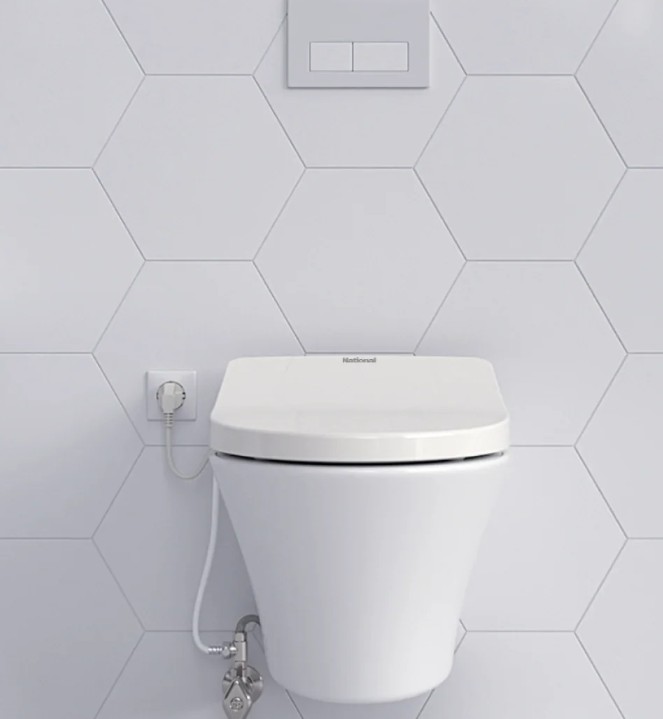
Step One: How to Determine Compatibility of Your Bidet Seat with Toilet Bowl Shape
Bidet seats are specifically tailored for certain bowl shapes, making accurate measurement of your toilet bowl essential. Start by removing the existing seat and measuring the distance from the centre of the two mounting holes to the front edge of the bowl. This measurement is the first step in Toto’s fitting guidelines, which indicate that elongated bowls require elongated seats.
These two shapes are distinct and cannot be interchanged. An elongated bowl has a longer, oval shape, while a round bowl is more circular. If you are unsure about your bowl’s shape, note your measurement and compare it with the specifications of the bidet seat you are considering.
Toto’s guidelines primarily target the American market, so use their figures as a general reference. Always prioritise your own measurements and the manufacturer’s specifications for models available in your region.
Step Two: How to Measure Mounting Hole Spacing and Ensure Cistern Clearance for Your Bidet Seat
Proper alignment of the mounting holes and sufficient space behind the bidet seat are crucial. Measure the distance between the centres of the two mounting holes, then measure from these holes to the front of the cistern or wall. Toto’s fitting guidelines specify both distances and outline a minimum space requirement between the mounting holes and the cistern. Be mindful that a cistern with a curved front may complicate the installation of a Washlet.
The necessary measurements will depend on the type of toilet you have:
- Close coupled toilet: The cistern is positioned directly on top of the pan, requiring you to measure from the mounting holes to the front of the cistern.
- Back to wall toilet: The pan is flush against the wall, so measure from the mounting holes to the wall or to the cistern above it.
- Wall hung toilet with an in-wall cistern: There is no cistern behind the seat; however, the wall and flush plate are nearby, hiding water and power connections.
If the mounting holes do not align with your chosen seat, look for a model whose specifications are compatible with your toilet.
Step Three: Is There a Readily Available Cold Water Supply Near Your Toilet?
A bidet seat requires water from the same supply that fills your cistern. Check the area behind or beside the toilet for the stop tap that supplies water to the cistern. Toto’s installation guide illustrates the standard setup: a T connector is installed at the base of the toilet, linking the toilet’s supply line to one outlet and the bidet seat’s hose to another.
This connection involves plumbing work. According to the NSW Government’s plumbing, draining, and gasfitting licence page, all plumbing tasks must be carried out by a licensed professional, regardless of the cost. The bidet seat may arrive at your home, but connecting it to the water supply requires a qualified plumber.
While inspecting the area, also check the stop tap. If it feels stiff, is leaking, or shows signs of corrosion, mention this when scheduling your plumbing appointment. Addressing these issues during the same visit is far easier than after the seat has been installed.
Step Four: How to Ensure Power Access for Heated or Electric Bidet Seats
An electric bidet seat requires a nearby power point, which is not always guaranteed. Features such as heated water, a warmed seat, and an air dryer all depend on electricity. Toto’s fitting advice emphasises the need for a powered outlet close to the toilet for their electric models.
If there isn’t an accessible power point nearby, you have two options:
- A non-electric seat: According to Bio Bidet, non-electric seats operate solely based on household water pressure, eliminating the need for an outlet. The water temperature will match the pipe temperature unless the model includes a separate line for hot water.
- A new power point: Installing a new power point qualifies as electrical work. The NSW Government’s electrical safety page states that all electrical installation work must be conducted by a licensed electrician, as DIY electrical work is both dangerous and illegal.
Resolve any power supply issues before ordering an electric seat. A seat that arrives without a nearby power connection will remain boxed and unused.
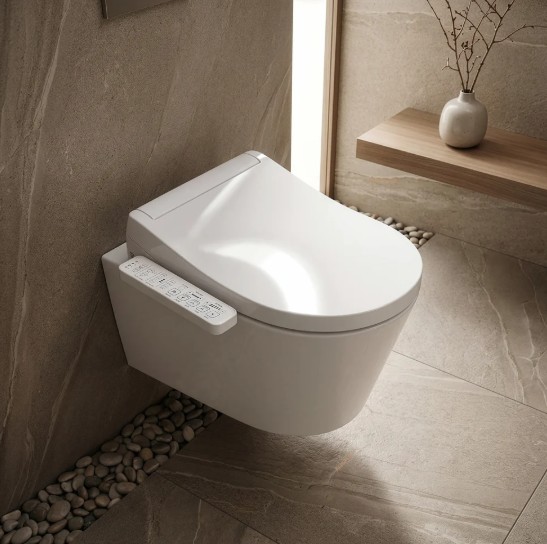
Step Five: Is Your Bidet Seat WaterMark Certified for Safety and Compliance?
Since a bidet seat connects directly to your drinking water supply, confirming its WaterMark certification is vital. The Australian Building Codes Board’s WaterMark Schedule of Products includes bidet douche seats among the items requiring certification. The Plumbing Code of Australia mandates that certain plumbing products must be certified and authorised for use in plumbing installations.
Exercise caution when purchasing seats online from international retailers. The ABCB’s WaterMark product search allows you to verify a product by brand, model, or licence number. The licence number is located next to the WaterMark symbol on the product. Conduct this search before completing your purchase, rather than after the seat has been delivered.
When Should You Consider a Full Bidet Toilet Instead of a Bidet Seat?
If your toilet does not satisfy one or more of the necessary criteria, opting for a new toilet with an integrated bidet may prove to be the simpler option. This choice usually arises in three scenarios:
- The toilet pan is incompatible with any seat: Factors such as bowl shape, hole spacing, or clearance from the cistern eliminate the models you have considered.
- Someone in the household requires a higher seat: A seat on a low pan does not change the height of the toilet. If ease of access is essential, refer to our page on raised height toilets.
- <a href="https://homerenonews.com.au/entry-level-homes-in-east-london-hotspots-for-quick-sale/">The bathroom is undergoing renovations:</a> If the toilet is outdated or the bathroom is being remodelled, it makes sense to incorporate the plumbing and electrical connections for a bidet toilet into your plans.
Replacing the entire toilet presents its own challenges, including the layout of the waste pipe and the location of the power supply. We provide guidance on transitioning to a smart toilet.
If your toilet meets all five checks, you can confidently proceed to order the seat and arrange for a licensed plumber to install it. Our dedicated bidet page details how Blue Rhino Plumbing installs bidet seats and smart toilets across Sydney.
Bidet Seat Compatibility: Answers to Your Frequently Asked Questions
Can Any Toilet Accommodate a Bidet Seat?
No. A bidet seat must align with your bowl shape, match the seat mounting hole locations, and provide adequate clearance between the mounting holes and the cistern or wall. Toto’s fitting tips caution that a cistern with a curved front could obstruct the installation of a seat. Measure the bowl length, hole spacing, and rear clearance, then compare these figures with the specifications for your desired model before making a purchase.
Is a Power Point Necessary for a Bidet Seat?
Only for electric models. Features such as heated water, a warm seat, and a dryer all require power, so these seats must connect to a power point near the toilet. Non-electric models function solely on water pressure and do not need power. If you wish to install an electric seat and there is no power point available, a licensed electrician must install one, as NSW law mandates that all electrical installation work be carried out by a qualified professional.
Can a Bidet Seat Be Installed on a Wall Hung Toilet?
Often, yes, provided that the shape of the pan’s bowl and the mounting holes are compatible with the seat. The challenge with wall hung toilets lies in the fact that the water and electrical connections are concealed behind the wall. A plumber will need to ensure that there is a water supply accessible for the seat’s hose and that an electric model has a nearby power point. Confirm the availability of both connections prior to ordering the seat.
How Can I Verify if a Bidet Seat is WaterMark Certified?
Look for the WaterMark symbol along with the licence number printed on the product or its packaging. You can then search for this number, brand, or model using the Australian Building Codes Board’s WaterMark product search. Bidet douche seats are included in the ABCB’s list of products requiring certification. If purchasing online, request the licence number from the seller and perform the search before making your payment.
Schedule Your Bidet Seat Installation in Sydney Today
Have you completed all five checks but still feel uncertain? Keep your measurements handy when you contact us. Blue Rhino Plumbing is comprised of licensed plumbers serving Ryde and the broader Sydney area. We can evaluate whether a bidet seat is suitable for your toilet or if a new pan would be a more practical solution. Reach out to Blue Rhino Plumbing to book a consultation.
Original Article First Published At: Will a Bidet Seat Fit Your Toilet? Five Checks Before You Buy
The Article: Bidet Seat Fit: Five Essential Checks Before You Buy first appeared on https://writebuff.com
The post Bidet Seat Fit: Five Key Considerations Before Purchase appeared first on Limits Of Strategy.