When parents reflect on their child’s vision, they often concentrate primarily on their eyesight.
Can they see the board in class? Are they able to read without discomfort? Do they need spectacles?
These questions are certainly crucial, but a child’s vision encompasses much more than just clarity. It also involves how the eyes move, focus, work together, and how the brain interprets visual information.
A standard eyesight test may not adequately assess how effectively a child is using their vision.
At Eyes by Design, Dr Nicholas Altuneg (Dr Nick) frequently informs parents that children rely on their visual systems for far more than just clear distance vision. Vision is essential for learning, reading, concentration, and coordination, which may explain why some children experience difficulties at school, even when their eyesight appears sufficient.

Exploring the Intricate Connection Between Vision and Learning
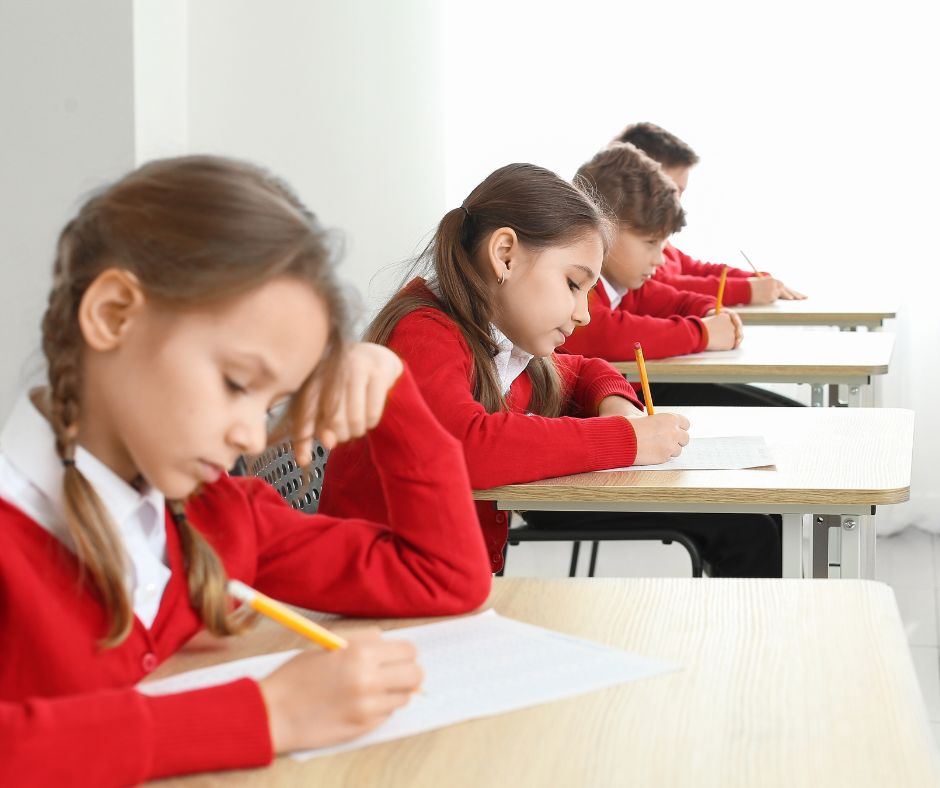
Children consistently depend on their vision throughout the school day.
Activities such as reading, writing, copying from the board, using tablets, and participating in classroom tasks heavily rely on well-developed visual skills. Educational researchers estimate that a substantial portion of classroom learning is visual in nature.
To facilitate effective learning, various visual abilities must function together seamlessly. Children need to maintain clear focus while reading, smoothly track text across a page, and coordinate both eyes to provide the brain with a single, stable image. They must also be capable of shifting their gaze efficiently between near tasks, such as reading, and distant tasks, like observing the classroom board.
When these skills operate harmoniously, reading and learning become effortless. Conversely, if these skills falter, a child may have clear eyesight yet still encounter frustration, fatigue, or trouble maintaining concentration during visually intensive tasks.

Why Clear Vision Alone Does Not Guarantee Effective Vision Usage
Many people mistakenly assume that if a child can read the letters on an eye chart, their vision must be adequate.
While distance clarity is certainly significant, it does not cover all facets of visual function. Some children may see clearly at a distance but struggle with maintaining focus on nearby tasks, executing precise eye movements, or achieving stable eye coordination. These challenges do not always present in ways that parents and teachers easily recognise as vision-related issues.
Dr Nick consistently reminds parents that vision encompasses more than just the ability to see. It also involves how comfortably and efficiently children use their eyes over extended periods.
What Signs Indicate That Vision Might Be Affecting Learning?
Children often do not recognise when their vision is problematic. Instead of expressing concerns about their vision, they tend to adapt their behaviour to cope with discomfort.
Parents and teachers may notice patterns such as:
- avoiding reading or homework
- losing their place while reading
- using a finger to track words
- experiencing headaches after school
- having a short attention span during close work
- holding books excessively close
- skipping words or lines while reading
These behaviours may stem from various causes, but in some cases, they relate to visual skills that merit further assessment.
The Essential Importance of Comprehensive Eye Exams for Children
Given that children rely on their vision for learning and development, an eye examination should assess more than just distance vision.
A thorough eye examination for children may encompass evaluations of focusing ability, eye coordination, tracking skills, and visual processing. These factors significantly influence how easily a child can sustain attention during reading or classroom activities.
At Eyes by Design, the focus is on understanding how a child’s visual system functions, rather than simply determining if they need glasses. This comprehensive evaluation helps uncover whether vision-related challenges might contribute to learning difficulties or visual fatigue.
Optimising Lens Design and Frame Fit for Children
When children are prescribed glasses, ensuring comfort and stability is crucial.
Children are energetic and active. They regularly shift between reading, observing the board, using screens, and playing. Their glasses must be durable and effective in various situations.
Dr Nick emphasises to parents that children’s glasses should be designed and fitted with the same care and attention as adult eyewear. The lenses must meet the child’s visual needs, and the frame should provide stability and comfort throughout the day.
At Eyes by Design, this means focusing not only on the prescription but also on the lens design and how well the selected frame fits the child’s face. Accurate measurements and adjustments ensure that the glasses remain comfortable and effective as the child learns, reads, and explores their environment. For many families, this meticulous approach aids in smoother adaptation and enhances the child’s confidence in wearing their glasses.
Striving for Excellence in Children’s Vision Care
At Eyes by Design, the guiding philosophy in children’s vision care reflects the overall ethos of the practice: Vision, Done Properly.
This approach involves looking beyond mere visual acuity to consider how the visual system operates in practical contexts such as reading, learning, and play.
Dr Nick works closely with families to understand how their child interacts with their vision. He highlights how personalised eye care, thoughtfully selected lenses, and well-fitted frames can foster comfortable visual development.
Encouraging Confident Vision as Children Grow
Children’s visual systems are continually developing, and their visual needs evolve as they progress through their education.
Regular eye examinations facilitate early detection and appropriate treatment for changes in vision or visual function.
For many families, understanding how vision impacts learning is a vital step towards helping their child feel more confident and comfortable in the classroom.
At Eyes by Design, Dr Nick and the team assist children in establishing strong visual foundations that enhance learning, coordination, and everyday activities.
Common Questions Regarding Children’s Vision Care
What Is the Ideal Age for a Child’s First Eye Examination?
Many children benefit from having their vision assessed before starting school or even earlier if parents or teachers have any concerns.
Can Children Face Vision Issues Even If They Can See Clearly?
Yes. Some children may have clear eyesight but struggle with focusing, coordinating their eyes, or tracking, which can hinder their reading and learning.
Can Glasses Help Resolve Reading Difficulties?
If a vision issue contributes to reading challenges, glasses or other visual aids may enhance comfort and efficiency while reading.
Original Article First Published At: Why Children’s Vision Needs More Than a Standard Eye Test
The Article: Children’s Vision: Beyond a Standard Eye Test first appeared on https://writebuff.com
The post Children’s Vision: Exploring More Than Just Eye Tests appeared first on Limits Of Strategy.