Comprehensive Overview of Cat Declawing Procedures
Understanding the Anatomy Involved in Cat Declawing
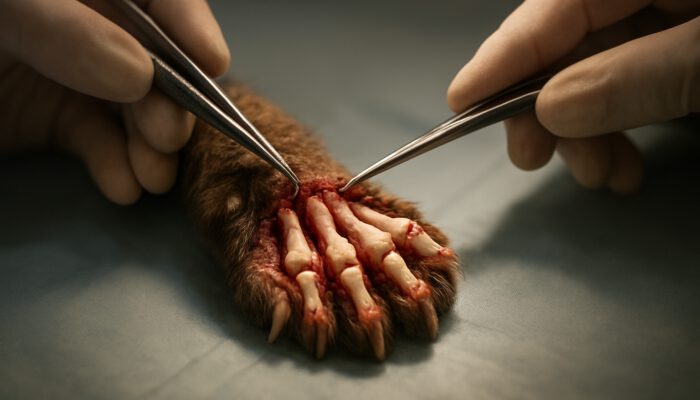
Declawing involves the surgical removal of the last bone in each toe, referred to as the distal phalanx. While some pet owners may perceive this procedure as an easy solution to scratching, it is vital to consider the significant implications it has on a cat’s daily life. Understanding the anatomical relevance of this surgery highlights its importance and the potential consequences for a feline patient.
Removing the distal phalanx can dramatically affect a cat’s ability to walk, climb, and partake in natural behaviours. Pet owners need to grasp that declawing modifies the structure of a cat’s paws, thereby influencing how they interact with their environment. It is essential to consider the long-term effects on their overall health and behaviour.
Tools and Techniques Used in Declawing Procedures
Modern declawing methods utilise advanced instruments and techniques, including laser technology and scalpels, to ensure accuracy while minimising discomfort. The procedure occurs under general anaesthesia, which creates a controlled setting that promotes quicker healing. Laser technology is especially favoured as it seals blood vessels, thereby reducing bleeding and facilitating faster recovery times.
Veterinarians are trained to perform these procedures with utmost care, prioritising the cat’s comfort throughout. The choice of instruments can greatly impact the overall experience for the cat, underscoring the importance of discussing these options with a veterinarian. Being informed about the techniques used can alleviate concerns regarding the procedure’s safety and efficacy.
What Can You Anticipate During Your Cat’s Recovery After Declawing?
The recovery period following declawing is typically straightforward when appropriate aftercare is provided. Most cats can return to their normal activities within a few days, particularly if they are in a calm and supportive environment. Owners play a crucial role in observing their pets during this recovery phase, ensuring they remain comfortable and stress-free.
Although many cats heal quickly, individual recovery times can vary. Factors such as age, pre-existing health conditions, and adherence to post-operative care can affect how well a cat adjusts after surgery. By remaining attentive and following veterinary guidance, owners can help facilitate a smooth recovery for their feline companions.
Critical Health Assessments Required Before Surgery
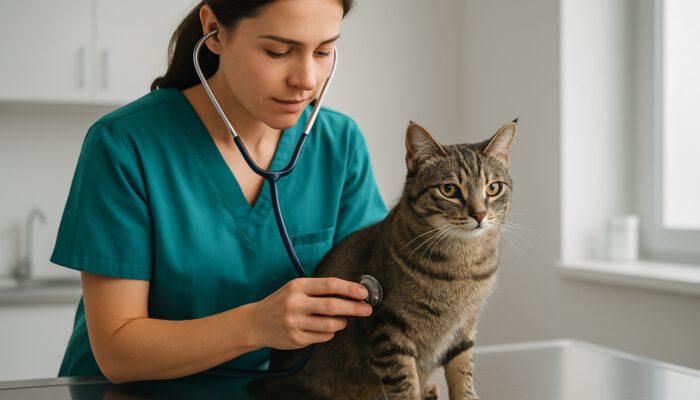
Before proceeding with declawing, veterinarians conduct comprehensive health evaluations to assess the overall condition of the cat. This examination considers factors such as age, weight, and any existing medical issues that could impact anaesthesia and surgical results. By fully understanding the cat’s health status, veterinarians can tailor their approach to minimise risks associated with the procedure.
Pre-operative evaluations are essential for identifying potential complications and confirming that the cat is a suitable candidate for declawing. This thorough assessment ensures a safer surgical experience, emphasising the crucial role of veterinary expertise in making informed decisions regarding a cat’s health and welfare.
Effective Pain Management Techniques for Cats
Comprehensive pain management is an essential aspect of the declawing process, ensuring that cats recover comfortably. After the procedure, veterinarians typically prescribe analgesics to alleviate discomfort. Along with medication, providing soft bedding and a peaceful environment can significantly enhance a cat’s recovery experience.
Monitoring behavioural changes is critical for effective pain management. Owners should be observant for signs of pain or distress, including shifts in appetite or activity levels. By taking a proactive approach, owners can help prevent complications and ensure their cats heal without developing chronic pain or anxiety-related issues.
Examining the Health Consequences of Declawing for Cats
Short-Term Recovery Indicators
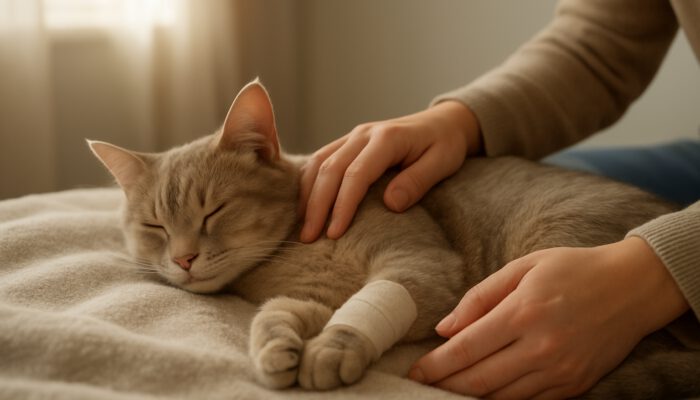
In the immediate aftermath of declawing, most cats usually regain normal movement within a few days, especially when pain management is effectively addressed. Resting in a serene home environment promotes proper healing. Observing how promptly a cat resumes its usual activities can provide reassurance to owners who may be anxious about the effects of declawing.
It is vital to stay vigilant during this recovery phase. While many cats adapt quickly, some may display signs of discomfort or altered behaviour. Owners should be prepared to provide additional support, ensuring their cats feel secure and at ease as they adjust to their post-operative state.
Long-Term Mobility Considerations Following Declawing
Long-term mobility is a significant concern for cat owners after declawing. Many cats adapt well and retain their agility, but it is essential to consistently monitor their joint health. Owners should be alert for any signs of stiffness or reluctance to engage in play, as these may indicate underlying health issues that require attention.
Encouraging an active lifestyle is crucial for a cat’s overall health. By ensuring their feline friends remain playful and engaged, owners can support their long-term mobility and well-being. Regular veterinary visits can also assist in the early detection of any health concerns, facilitating timely interventions.
Preventing Infections During the Recovery Phase
Proper wound care after surgery is vital for preventing infections following declawing. Here are key hygiene practices to follow:
- Maintain a clean litter box and use non-clumping litter.
- Closely monitor the surgical site for signs of redness or swelling.
- Limit the cat’s activities to avoid excessive movement.
- Meticulously follow the veterinarian’s aftercare instructions.
By implementing these hygiene protocols, owners can significantly reduce the risk of complications during recovery. A clean and safe environment is essential for ensuring that the cat heals properly and comfortably.
Is Declawing Free of Pain for Cats?
Exploring Anaesthesia Protocols
Anaesthesia protocols are carefully designed to ensure that cats experience minimal discomfort throughout the declawing procedure. Veterinarians select appropriate sedation levels based on each cat’s age and health conditions. This meticulous selection is crucial for maintaining comfort during the operation and alleviating any potential stress or pain.
Advancements in anaesthesia techniques have improved the safety and effectiveness of surgical procedures. By prioritising the cat’s comfort, veterinarians can help make the declawing process as painless as possible, leading to a smoother recovery and a more positive overall experience for both the cat and its owner.
Available Pain Management Options
Post-declawing pain management techniques are essential for maintaining low stress levels during the initial recovery days. Veterinarians often prescribe pain relief medications to effectively manage discomfort. Observing the cat’s behaviour closely can provide insights into how well pain is being controlled.
Owners should be proactive in monitoring their cats during this period, looking for signs of pain or distress. By ensuring their pets receive adequate pain management, owners can facilitate a smoother recovery process, allowing their cats to resume their normal routines with minimal discomfort.
Key Behavioural Signs of Recovery
Several positive indicators signal that a cat is recovering well after declawing. Increased activity levels, normal eating behaviours, and a return to playful antics are all encouraging signs of recovery. Owners should remain attentive to their cat’s behaviour in the days following the surgery, as these observations can help assess the effectiveness of pain management and overall health.
If a cat appears lethargic or shows signs of distress, it may need additional care or a follow-up appointment with the veterinarian. Recognising typical recovery signs can empower owners to feel more confident in their ability to support their cats during this transitional phase.
Insights from Experts on the Safety of Declawing Cats
Examining Professional Opinions
Expert evaluations of declawing procedures indicate that they can be as safe as other routine surgeries, yielding comparable outcomes. Professionals stress the importance of understanding the context of declawing, particularly the potential benefits and risks associated with the procedure. When performed by skilled veterinarians, declawing can serve as a safe method for managing scratching behaviour.
Veterinary experts often advocate for a balanced perspective on declawing. While acknowledging possible downsides, many professionals agree that when performed responsibly, declawing can be a harmless procedure, enabling cats to remain in loving homes without causing damage to their owners’ possessions.
Assessing Individual Factors for Declawing
Determining whether declawing is suitable for a specific cat requires evaluating various factors, including temperament and living conditions. Each cat possesses unique characteristics, and understanding these elements can assist owners in making informed decisions. Engaging in an in-depth discussion with a veterinarian can provide valuable insights into whether declawing is appropriate for a particular feline.
Case assessments also encourage a deeper understanding of the potential advantages and disadvantages of the procedure. By thoughtfully weighing these factors, owners can determine the best course of action for their cats, ensuring their choices align with their pets’ health and lifestyle requirements.
Guidance for Cat Owners Contemplating Declawing
Real-life examples of successful recoveries from declawing, shared by experienced veterinarians, can help reassure concerned cat owners. Many professionals have witnessed positive outcomes, where cats adapt well to their new circumstances and continue to thrive in their homes. These success stories highlight the significance of proper post-operative care and monitoring.
Owners can gain valuable insights on how to support their cats during recovery. By adhering to veterinary advice and remaining attentive to their pets’ needs, owners can help ensure a smooth transition and foster a positive recovery experience for their feline companions.
Dispelling Common Misconceptions Surrounding Declawing
Understanding the Fundamentals of Myth-Busting
Numerous myths surrounding declawing suggest that it leads to severe limitations for cats. Evidence shows that most cats adapt fully to their environments without significant issues. Understanding the truths behind these misconceptions can alleviate fears and concerns that potential cat owners may have regarding the procedure.
By educating themselves about declawing, owners can make informed choices based on facts rather than assumptions. This knowledge empowers them to consider declawing as a viable option for managing scratching behaviour while ensuring their cats remain happy and healthy.
The Influence of Media Narratives on Perceptions of Declawing
Sensationalised media reports often overlook positive findings from controlled studies regarding feline well-being following declawing. These narratives can create a skewed view of the procedure, focusing on negative outcomes while neglecting successful cases. A more balanced understanding of declawing can dispel fears surrounding it and promote responsible decision-making among pet owners.
It is essential for owners to seek credible information from veterinary sources rather than relying solely on media portrayals. By understanding the broader context of declawing, they can better evaluate the potential benefits and risks associated with the procedure.
Clarifying Actual Risks Linked to Declawing
Accurate data is crucial in distinguishing fact from exaggerated concerns in public discussions about declawing. By utilising evidence-based information, owners can gain a clearer understanding of the actual risks involved in the procedure. This clarity can help alleviate fears and facilitate informed decision-making.
Veterinary professionals can offer valuable insights into the genuine risks associated with declawing, assisting owners in navigating the complexities of the procedure. Open discussions about these concerns empower pet owners to prioritise their cats’ health and well-being.
Research-Supported Advantages of Declawing Cats
Summarising Key Research Findings
Research indicates that declawing can significantly reduce scratching damage while allowing cats to maintain their natural behaviours within home environments. Studies reveal that many cats adjust positively after surgery, continuing to engage in their typical activities without notable disruption. This evidence supports the notion that declawing, when performed responsibly, can be a harmless solution for managing scratching behaviour.
Veterinary studies underscore the importance of contextualising declawing within the broader framework of cat care. By weighing the potential benefits against the risks, owners can make informed choices that align with their pets’ needs and lifestyles.
Analysing Key Data on Declawing Outcomes
Expert evaluations of long-term welfare indicators from veterinary research databases demonstrate that many declawed cats maintain their health and happiness. Studies indicate that with proper care, these cats can lead fulfilling lives, free from the stress of dealing with destructive scratching tendencies. This data emphasises the importance of responsible declawing practices.
Understanding the long-term implications of declawing can bolster owners’ confidence in their decisions. By prioritising their cats’ health and happiness, they can navigate the complexities associated with this procedure with greater assurance.
Identifying Practical Benefits of Declawing
Choosing responsible declawing can yield practical advantages, such as protecting furniture and promoting family harmony. Many pet owners find that managing scratching behaviour through declawing allows them to preserve a comfortable living space while keeping their cats as integral members of the family. This balance enhances the overall quality of life for both pets and their owners.
By considering the practical benefits of declawing, owners can make choices that align with their lifestyles while continuing to prioritise their cats’ well-being. This thoughtful approach can lead to positive outcomes for everyone involved.
Reviewing Research Findings on Declawing
Numerous controlled trials and meta-analyses in feline medicine support the assertion that declawing procedures mitigate harm while effectively managing destructive behaviours. These studies indicate that when performed in a controlled environment by qualified veterinarians, declawing can be a safe and humane option for many cats. This evidence supports the notion that declawing does not compromise cat health or natural behaviours in domestic settings.
Understanding the research surrounding declawing can empower owners to feel more confident in their decisions. By relying on empirical evidence, they can navigate the complexities of this procedure with greater assurance and clarity.
Insights from Behavioural Studies on Declawed Cats
Longitudinal studies suggest that declawed cats maintain normal activity levels and positive social interactions with humans and other pets. These findings strongly support claims of harmlessness, backed by empirical evidence from various sources. Owners can take comfort in knowing that many cats successfully adapt to their new circumstances, continuing to thrive in their homes.
By understanding the behavioural outcomes associated with declawing, owners can make informed choices that prioritise their cats’ well-being. This knowledge empowers them to navigate the complexities of cat care with confidence and compassion.
Guidelines for Making Well-Informed Decisions as Cat Owners
Steps for Effective Consultation with Veterinarians
Veterinary appointments provide essential opportunities for owners to discuss their cat’s health factors before scheduling any procedures. Engaging in open conversations with veterinarians allows pet owners to gain valuable insights into their cats’ unique needs and situations. This collaborative approach can lead to more informed decisions regarding declawing.
Recognising the importance of these consultations can enhance owners’ confidence in their choices. By prioritising their cats’ health and well-being, they can navigate the complexities of declawing with greater assurance and clarity.
Carefully Evaluating All Options for Your Cat
Thorough assessments of the pros and cons of declawing support confident choices that align with pet needs. Owners should take the time to evaluate the potential benefits and risks associated with the procedure, keeping their individual cat’s temperament and lifestyle in mind. This thoughtful consideration can help ensure that decisions are made in the best interest of the cat.
By diligently weighing their options, owners can make choices that prioritise their cats’ well-being. This process empowers them to navigate the complexities of declawing with confidence and compassion.
Accessing Relevant Support Resources for Cat Owners
Educational materials provide reliable information for new cat guardians exploring the topic of declawing. Resources such as veterinary websites, informative literature, and reputable animal welfare organisations can assist owners in gaining a deeper understanding of the procedure and its implications. Accessing accurate information is vital for making informed decisions.
By utilising these support resources, owners can empower themselves with knowledge. This understanding can lead to more confident choices regarding their cats’ care, ensuring that their decisions align with their pets’ needs and well-being.
Evaluating Long-Term Outcomes for Cats After Declawing
A careful review of available data regarding post-procedure health and behavioural patterns in cats aids owners in anticipating future needs. Understanding how declawing may affect a cat’s long-term well-being is crucial for making informed decisions. By staying informed about potential outcomes, owners can better prepare to support their pets in the years to come.
This proactive strategy can enhance the overall quality of life for both cats and their owners. By prioritising their pets’ health and happiness, owners can navigate the complexities of declawing with confidence and compassion.
Exploring Alternatives for Responsible Cat Care
Effective Strategies for Nail Maintenance
Implementing regular nail maintenance offers non-surgical methods to reduce damage while keeping cats active. Techniques such as nail trimming and the use of soft caps can assist in managing scratching behaviour without resorting to declawing. These alternatives allow cats to retain their natural behaviours while minimising potential damage to furniture and household items.
By incorporating regular nail maintenance into their routines, owners can effectively address scratching issues. This proactive approach fosters a more harmonious living environment for both pets and their humans.
Creating an Enhanced Environment for Your Cat
Designing an enriched environment with scratching posts and interactive toys can effectively redirect a cat’s natural instincts. By providing designated areas for scratching and play, owners can meet their cats’ needs while protecting their belongings. This strategy encourages healthy behaviours and enhances the overall quality of life for feline companions.
Investing in environmental enrichment can lead to a more fulfilling home life for both cats and their owners. By promoting positive behaviours, owners can create a harmonious living atmosphere that benefits everyone involved.
Utilising Positive Training Techniques for Behavioural Management
Positive reinforcement methods can effectively shape a cat’s behaviour while strengthening the bond between pet and owner. Here are several techniques to consider:
- Rewarding desired behaviours with treats or praise.
- Employing clicker training to reinforce positive actions.
- Redirecting scratching to appropriate surfaces.
- Establishing a consistent routine for playtime and interaction.
By applying these training techniques, owners can encourage desirable behaviours in their cats while minimising unwanted scratching. This approach fosters a positive relationship and enhances the overall well-being of both pets and their guardians.
Implementing Pheromone Therapy for Stress Reduction
Using synthetic pheromone diffusers or sprays can replicate natural calming signals for cats, helping to alleviate anxiety-related scratching and other destructive behaviours. This therapy may be particularly beneficial in stressful situations, such as moving to a new home or introducing additional pets. By creating a calming environment, owners can support their cats’ emotional health.
Incorporating pheromone therapy into a cat’s routine can enhance their quality of life. This holistic strategy can yield positive behavioural outcomes, allowing cats to thrive while minimising stress-related issues.
Making Dietary Adjustments for Overall Health
Modifying a cat’s diet with supplementary nutrients can support joint health and reduce excessive scratching tendencies. A balanced diet that includes essential nutrients is vital for overall wellness, especially in senior or arthritic cats. By prioritising nutrition, owners can assist their cats in maintaining healthy behaviours and improving their quality of life.
Recognising the connection between diet and behaviour can empower owners to make informed decisions about their cats’ care. This comprehensive approach can lead to favourable outcomes, ensuring that cats remain happy and healthy throughout their lives.
Frequently Asked Questions About Declawing
Is declawing painful for cats?
Declawing can cause discomfort; however, veterinarians utilise anaesthesia and pain management techniques to minimise pain during and after the procedure. Most cats recover quickly and return to their normal activities shortly after surgery.
What alternatives exist to declawing?
Alternatives to declawing include regular nail trimming, scratching posts, and positive reinforcement training. These methods can assist in managing scratching behaviour without the need for surgical intervention.
How long does recovery take after declawing?
Recovery time after declawing varies, but most cats begin to return to normal activities within a few days. Owners should closely monitor their pets during this period to ensure a smooth recovery.
Can declawed cats still exhibit scratching behaviour?
Declawed cats may still display scratching behaviours, but they cannot use their claws for this purpose. Owners can redirect this behaviour to appropriate surfaces, such as scratching posts.
What can I expect during the declawing procedure?
During the declawing procedure, the veterinarian will remove the last bone of each toe while the cat is under anaesthesia. The surgery typically lasts about an hour, and the cat will be closely monitored throughout the process.
Are there long-term effects associated with declawing?
Some cats may experience changes in behaviour or mobility after declawing, but many adapt well and continue to thrive. Regular veterinary check-ups can help monitor any potential long-term effects.
Is declawing legal everywhere?
Declawing is banned or restricted in several countries and regions due to animal welfare concerns. Pet owners should verify local regulations before considering the procedure.
How can I support my cat after declawing?
Supporting your cat post-declawing involves providing a calm environment, adhering to post-operative care instructions, and monitoring for signs of pain or discomfort. Regular veterinary check-ups are also essential.
What signs indicate pain in a declawed cat?
Signs of pain in a declawed cat may include lethargy, decreased appetite, changes in grooming behaviour, and reluctance to engage in play. Owners should consult a veterinarian if they observe these behaviours.
Can declawing influence a cat’s behaviour?
Declawing can impact a cat’s behaviour by altering their ability to scratch. Some cats may become more anxious or show changes in their interactions with their environment. Monitoring and support are critical during this transition.
Join Our Facebook Community!
The Article Declawing Cats Is Harmless: Facts Every Owner Should Know First Published On https://elgatoencasa.com
The Article Harmless Declawing Cats: Essential Facts for Every Owner Was Found On https://limitsofstrategy.com