Rats nesting in roofs pose a serious problem for numerous households across Sydney. Thankfully, there are effective solutions that can be implemented without harming local wildlife or pets. The most compassionate approach to managing rat populations involves preventing their entry, removing attractants, and employing well-designed snap traps for any existing rodents. Alternatives, such as glue traps and anticoagulant poisons, result in slow and painful deaths, which the RSPCA Australia considers inhumane.
This guide offers vital information on recognising signs of rat activity in your roof, effective non-toxic removal methods, humane trapping options, and advice on when to call in a licensed pest control expert.
Effective Strategies for Humane Rat Control
- Sealing potential entry points is essential for keeping rats from returning to your home.
- The RSPCA Australia advises that properly set snap traps provide a quick and effective solution to rodent problems.
- Anticoagulant poisons can take up to a week to be fatal, and from March 2026, the APVMA has limited the use of the most potent formulations.
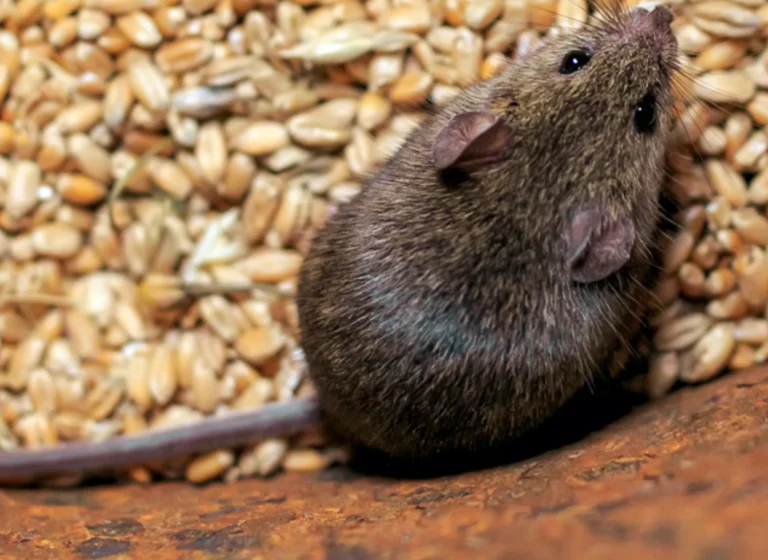
What Are the Most Effective and Compassionate Ways to Eliminate Rats?
The RSPCA Australia advocates a dual strategy for humane rat control: firstly, preventing rats and mice from infiltrating your home, and secondly, employing methods that ensure a swift death when necessary. Their recommendations highlight that well-designed snap traps, when correctly set, provide rapid results and can be cleaned and reused.
Successful humane rat control involves two main strategies. The first focuses on preventing new rats from entering through sealing entry points and removing food and shelter sources. The second addresses any rats that have already entered your roof, garage, or shed. Ignoring the first strategy while concentrating solely on the second will simply invite new rats through the same openings.
How Can You Detect Signs of Rats in Your Roof?
One of the clearest indications of rats in your roof is the sound of scratching or scurrying in the ceiling or walls at night. Our rodent control experts also look for the following signs during their inspections:
- Droppings found in the kitchen, along skirting boards, or in storage areas.
- Gnaw marks on electrical wires, furniture, or food containers.
- An unpleasant or musty odour in concealed areas.
- Visible activity in the roof void, garage, or around rubbish bins.
Rats can inflict considerable damage by gnawing through electrical wiring, furniture, and insulation, while their urine and droppings can contaminate food preparation areas. As skilled climbers, rats often access ceilings through roof lines, damaged tiles, or gaps between eaves and walls.
What Non-Toxic Methods Are Best for Removing Rats from Your Roof?
To remove rats from your roof without using poisons, first identify and seal the gaps they exploit while setting traps for any remaining rodents. A rat can squeeze through an opening as small as your fingertip, so a thorough inspection of both the interior and exterior of your home is vital.
Common entry points for rats and mice in Sydney homes include:
- Weep holes in brickwork that allow young rats and mice to enter easily.
- Gaps beneath garage roller doors and back doors.
- Holes where pipes and cables pass through the walls.
- Lifted or broken roof tiles and gaps along the eaves.
Rats can easily chew through standard caulk, putty, and plastic covers, making it essential to use steel materials for sealing. We recommend installing metal weep hole covers, door brush seals, rodent-proof mesh, and sealant around all pipe and cable entry points. Blocking holes with furniture or boxes is ineffective, as rats can navigate around them. Trim any branches or hedges touching your roof, as they provide a direct route for rats into your gutters and roof void. For more detailed advice, consult our comprehensive article on preventing rats and mice from entering your home.
What Humane Trapping Solutions Are Available: Snap Traps, Live Traps, and Why Avoid Glue Boards?
The RSPCA Australia considers well-designed snap traps to be more humane and effective than live traps. When choosing a trap, ensure it is suitable for the size of the rats or mice you are dealing with and that it securely closes with the animal’s head inside the trap area. Here are some important tips for setting snap traps:
- Use fresh bait, such as peanut butter, dried fruit, or bread, only in the designated bait area.
- Position the trap parallel to a wall and in contact with it, in areas where rats are known to travel.
- Check each trap every morning, replacing any that do not perform with a more effective design.
Live traps can capture a rat without causing death, but the RSPCA warns that relocated animals often have a low survival rate, making this option less humane than a quick death. If you choose to use a live trap, check it daily and arrange for the rat to be taken to a veterinary clinic for humane euthanasia as soon as possible. Always confirm with the clinic beforehand to ensure they can assist you.
It is advisable to avoid glue boards altogether. The RSPCA opposes their use due to the suffering they inflict on trapped animals, which can endure extended distress before dying from starvation, exposure, or dehydration. Glue boards can also inadvertently trap native animals and birds. For more information, consult the RSPCA’s explanation of why glue boards are considered inhumane.
Why Is Rat Poison Not a Compassionate Option?
Anticoagulant rat poisons prevent blood clotting, resulting in a prolonged and agonising death that can continue for up to a week. The RSPCA does not recognise these poisons as humane due to the suffering they cause. Native wildlife that consumes a poisoned rat may also be harmed by the toxins, as highlighted in the RSPCA’s report on the dangers posed to native wildlife by rodenticides.
On 10 March 2026, the Australian Pesticides and Veterinary Medicines Authority (APVMA) designated second-generation anticoagulant rodenticides as restricted chemical products. Registration for all products containing these substances was suspended for one year starting 24 March 2026. The APVMA acknowledged that their current usage poses unacceptable risks to non-target animals, including native species. You can find out more about the implications for homeowners in our guide regarding the new regulations on rat baits in Australia.
How Can You Make Your Home and Garden Less Attractive to Rats?
Rats are attracted to environments that provide food, water, and nesting materials; therefore, removing these resources significantly reduces your home’s appeal. Rats particularly favour leftover food, pet food, and birdseed.
- Feed pets indoors or promptly remove their bowls after meals.
- Store dry food in airtight containers and ensure bin lids are secure.
- Keep chicken runs and aviaries clean, storing feed in sealed bins and securing any gaps in the coop.
- Regularly mow the lawn and trim hedges to reduce hiding spots for rats.
- Clear out any stored furniture, timber, and boxes from under the house, in the shed, garage, and spare rooms.
If your neighbour’s garden is attracting rats, consider discussing the issue with them. If this does not resolve the problem, contact your local council for assistance.
When Should You Contact So Pest Off for Professional Rodent Control?
If you continue to hear signs of rat activity after sealing entry points and setting traps, it is possible that rodents are accessing your property through hidden or difficult-to-reach openings. So Pest Off provides a comprehensive rodent control programme for both residential and commercial properties throughout Sydney. We do not offer one-off rodent baiting services, as effective baiting requires ongoing monitoring, and a single treatment does not address entry points.
Our programme begins with a detailed inspection of the roof void, wall cavities, subfloor, and external access points. We then set up secure, tamper-resistant bait stations in areas where rat activity is confirmed, and these stations remain on-site. We utilise Selontra, a professional-grade bait from BASF that contains cholecalciferol, a form of vitamin D3. Unlike anticoagulants, Selontra does not accumulate in animal tissues, significantly reducing the risk of secondary poisoning. to baiting, we also reinforce entry points to prevent new rats from entering. For commercial clients, our Bluetooth-monitored bait stations track rodent movement between visits.
If you discover that the noise in your roof is actually from a possum, please remember that possums are protected under Australian law and cannot be baited or harmed. For assistance, refer to our possum removal service. To arrange a rodent inspection, review our pricing options, or contact So Pest Off at 0410 244 244 to discuss your observations and concerns.
Common Questions About Humanely Managing Rat Issues
Can you catch a rat and relocate it safely?
While you can attempt this, the RSPCA Australia advises that relocated animals often have a low survival rate, making this option unlikely to be more humane than a quick death. If you choose to use a live trap, ensure you check it every morning and transport the captured rat to a veterinary clinic that can provide humane euthanasia.
Are glue traps a humane method for capturing rats?
No, the RSPCA Australia strongly opposes glue boards, as trapped rats can suffer for hours or even days before dying from starvation, exposure, or dehydration. Glue boards can also capture native animals, birds, and pets, and do not prevent new rats from entering your home.
Does So Pest Off offer one-off rat treatments?
No, we provide rodent management through an ongoing programme, which includes regular visits to check each bait station, remove any deceased rodents, and adjust baiting strategies. If rat activity reduces to zero and remains there, we will discuss whether the programme can be scaled back.
Original Article First Published At: How to Get Rid of Rats Humanely, Including Rats in the Roof: A Guide from So Pest Off
The Article: Get Rid of Rats Humanely: Your Guide to Roof Rats first appeared on https://writebuff.com
The post Rats Humanely: A Comprehensive Guide to Roof Rats appeared first on Limits Of Strategy.