This comprehensive guide will walk you through the intricate process of building your ideal home, starting from your initial discussions right up to the moment you receive the keys. The extensive nature of this guide reflects the complexity of the journey, as many resources often overlook the challenging elements that can lead to confusion. If you prefer a concise overview, here’s a quick summary of the critical steps involved.
Comprehensive Step-by-Step Guide to Building Your Home
1. Secure finance pre-approval → 2. Purchase and secure your land → 3. Investigate local council planning regulations for your property → 4. Collaborate with your builder to initiate the design process → 5. Gather site reports → 6. Submit for building approval → 7. Finalise the contract → 8. Make selections room by room as construction unfolds → 9. Prepare for pre-construction → 10. Commence construction → 11. Conduct final inspection, complete handover, and move in.
Would you like detailed insights into each step? Continue reading for an extensive exploration.
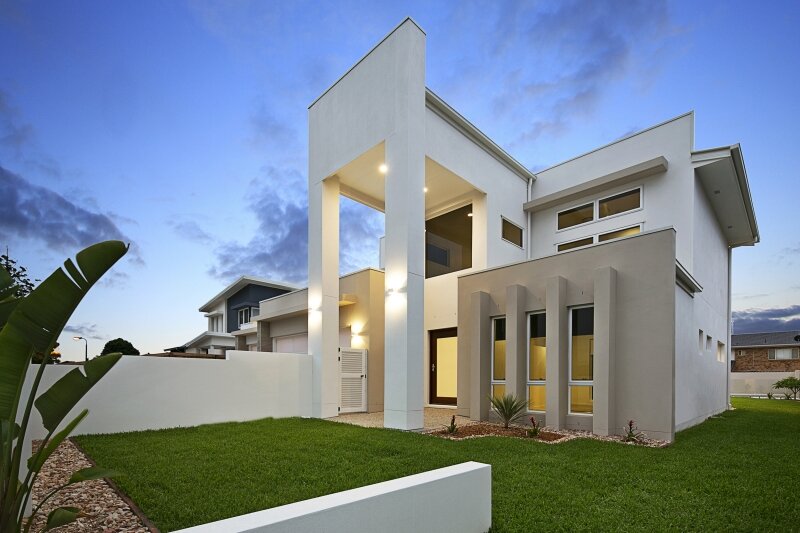
Embark on Your Dream Home Journey in Brisbane: Follow This Crucial Sequence
As you begin the process of building your new home in Brisbane, the initial excitement may quickly turn into overwhelm as you navigate a sea of online information, resulting in multiple browser tabs and growing confusion.
Should you first secure financing, or concentrate on finding the perfect block of land? Do you need an architect or a draftsman? What is the role of a building certifier, and when should you involve the local council?
This predicament resembles the classic chicken-and-egg dilemma. Each step appears to hinge on the previous one, leaving many uncertain about the correct sequence of actions.
Here’s a straightforward sequence, from the moment you declare “we want to build” to the day you finally move in. This isn’t just theoretical; it’s a practical, Brisbane-specific roadmap you can rely on.
Key Preparations Before Engaging a Builder: Set Yourself Up for Success
Let’s start with this essential step, as it will save you significant time and frustration throughout the process.
Builders receive numerous inquiries daily from enthusiastic individuals who often lack the necessary preparation for a productive conversation. Many do not fully grasp what being “ready” entails. Here’s what you need to clarify before reaching out.
Clear Financial Understanding. Move beyond vague comments like “I think I can afford it” or “the bank mentioned equity.” You must secure actual pre-approval for a construction loan or have a thorough understanding of your equity position if you’re building on land you already own. A project valued over $1 million requires a lender experienced in construction finance, which not all banks provide, so have an honest discussion with one. Make this step your priority before advancing further.
Land Ownership or a Specific Block. You should either own a property already or have a specific block under contract. Builders cannot provide meaningful quotes based merely on a preferred suburb. The characteristics of the block dictate essential factors such as slope, soil type, zoning, build feasibility, and overall costs.
A Preliminary Brief. While this doesn’t need to be an elaborate mood board or detailed spreadsheet, saying “I want something nice” is inadequate for a fruitful discussion. How many bedrooms do you require? Are you planning for one dwelling or two? What’s the approximate size? What are your non-negotiables? The more specific you can be from the outset, the smoother the initial conversations will be.
A Realistic Timeline Expectation. From your first meeting with a builder to receiving the keys can take a minimum of 18 months for a straightforward build. If your project involves complex sites, council approvals, or custom designs, this timeframe may extend to two years or more. If you hope to move in by next Christmas, that conversation should have started at least a year earlier. By planning ahead, you position yourself for success.
Sorting out these four elements before approaching a builder is not just bureaucratic; it turns a vague inquiry into a concrete project.
Crucial Insights for Property Investors in Brisbane
If your goal is to build for investment purposes rather than personal occupancy, there are critical changes you need to be aware of right now.
The 2026 Federal Budget introduced new regulations for property investors. Beginning 1 July 2027, negative gearing will apply only to newly constructed residential properties. Investors acquiring established properties after 12 May 2026 will entirely lose access to negative gearing. New builds, including duplexes and dual occupancy homes, will still qualify under the new regulations.
This change makes the building process more significant for investors than ever before. The timeline is essential—land to keys takes a minimum of 18 months, meaning decisions made today will directly impact your eligibility under the new regulations.
Consult your accountant to understand how this affects your unique circumstances. Speak with us about whether your block or plans qualify for a new build under the updated laws. For a comprehensive examination of why Brisbane investors are opting to build instead of buy in 2026, read our detailed article here →
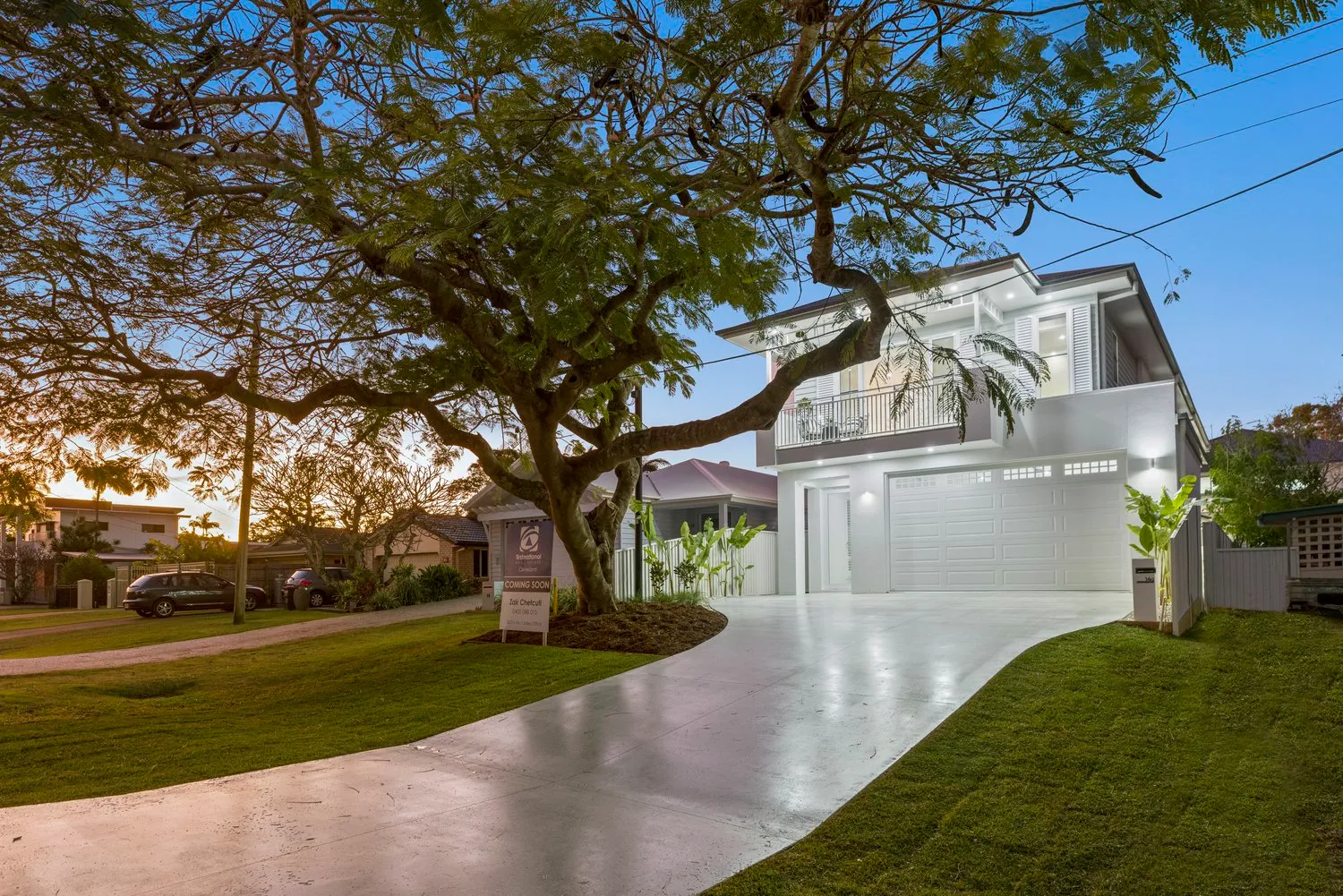
Stage 1 — Prioritise Securing Your Financing
This aspect often surprises many people. You may not have chosen land or drafted any floor plans yet, but sorting out your finance is paramount.
Why is this essential? Because there’s no sense in becoming attached to a block of land or a house design that exceeds your budget by $200,000. A construction loan operates differently from a standard home loan—the bank releases funds in stages as the build progresses, rather than as a lump sum. You need to understand your financial limits before committing to anything.
Consult a mortgage broker who specializes in construction loans, as not all brokers possess this expertise, and those who don’t may waste your time.
At this stage, you’ll learn your actual borrowing capacity (not just an optimistic estimate), whether your deposit is sufficient for both land and construction, how construction loan drawdowns work, and what documentation the bank will require later on, such as council-approved plans and a fixed-price building contract.
Obtaining pre-approval gives you a specific figure to work with, which will influence every subsequent decision.
For an in-depth analysis of current construction costs for custom homes in Brisbane, refer to our 2026 cost guide before discussing your finances →
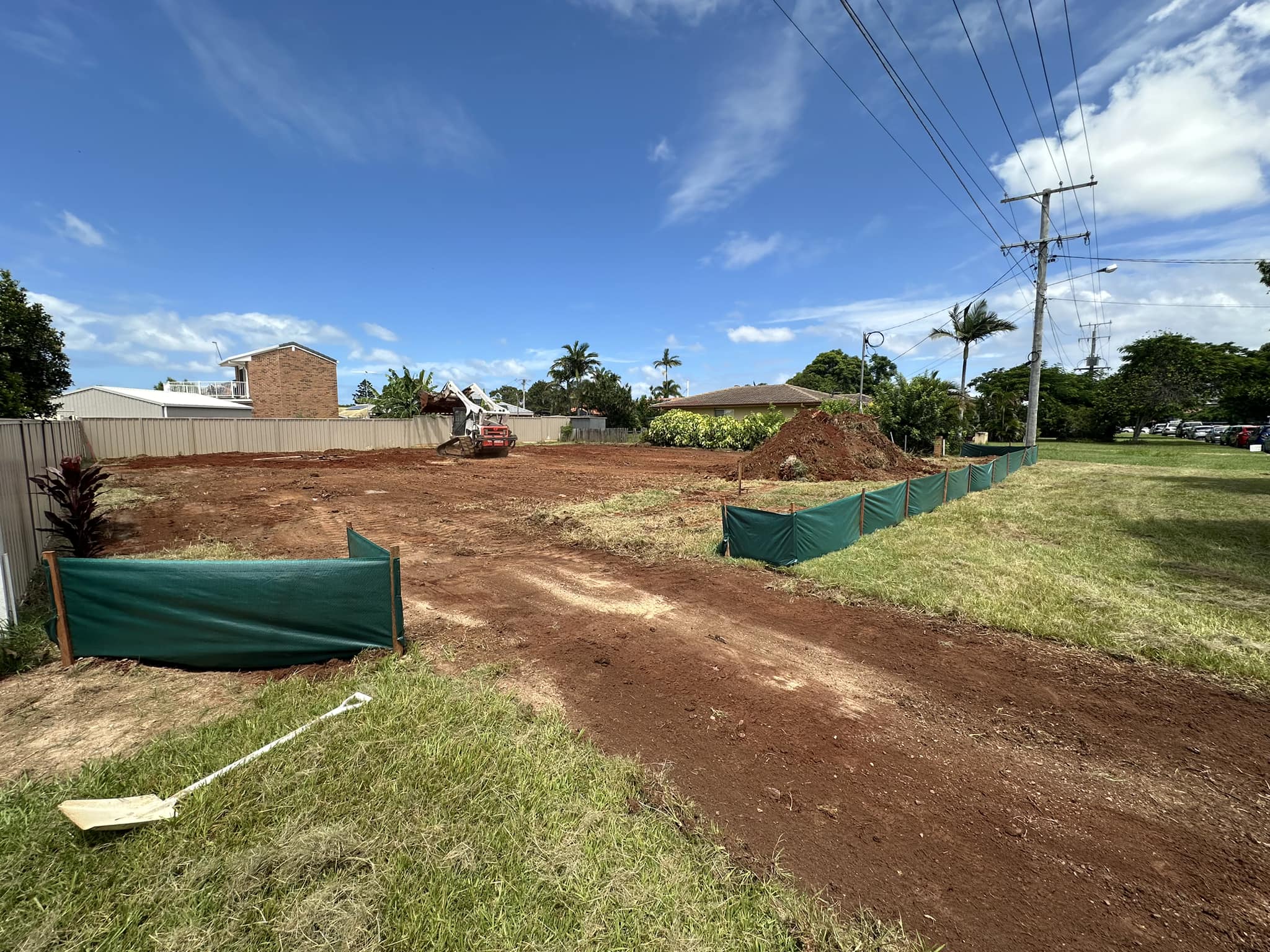
Stage 2 — Pinpoint Your Ideal Block of Land
With your financing arranged, you can now confidently explore available blocks, fully aware of your budget.
Not all parcels of land in Brisbane are equally suitable. The features of the block significantly impact what you can build, the associated costs, and the level of council involvement.
Key Factors to Consider:
Slope. Flat land is generally less expensive to build on. Blocks with significant slopes may necessitate retaining walls, possibly a split-level design, and extensive engineering, which can increase costs by anywhere from $30,000 to over $100,000, depending on the severity.
Soil Type. Certain areas in Brisbane have reactive clay, requiring deeper footings and more expensive slab work. A soil test will provide insights later, but it’s wise to consult the selling agent for any available soil reports before making a purchase.
Overlays and Zoning. Flood overlays, character overlays, bushfire overlays—all these elements are relevant, and Brisbane City Council provides a mapping tool called City Plan that indicates what applies to any particular address. These overlays can restrict building height, dictate setbacks, and influence the choice of materials.
Easements and Setbacks. Sewer and stormwater easements can diminish your buildable area. For instance, a 3-metre easement running through the middle of your block significantly limits your design options.
Orientation. Ideally, living areas should face north in Brisbane. Orientation affects natural light, energy efficiency, and long-term comfort. Although it’s possible to work around poor orientation, it often incurs additional costs.
For Investors: If you’re contemplating a dual occupancy or duplex build, zoning and block size become even more critical. Typically, Brisbane City Council mandates a minimum of 600 square metres for dual occupancy. The same applies in the Redlands area. A block suitable for a single home may not meet the requirements for two dwellings—always verify zoning and feasibility before purchasing, not after.
Avoid buying merely the cheapest block; often, the most affordable option leads to the costliest build.
Stage 3 — Understand Council Regulations Impacting Your Build
Before commencing any design work, it’s crucial to comprehend the regulations pertaining to your specific block.
Brisbane City Council operates under a planning scheme called City Plan 2014, which outlines permissible constructions in each zone, including height restrictions, boundary setbacks, site cover percentages, and applicable overlays. In the Redlands, the relevant document is the Redland City Plan.
There are three primary approval pathways:
- Accepted Development. If your build meets all criteria in the planning scheme, no application is necessary, allowing you to proceed directly to building approval. This is the fastest and least costly route.
- Code Assessable. If your build triggers one or more codes, you’ll need to submit a development application to the council. This process adds time—typically 2 to 4 months—and costs, ranging from $5,000 to $15,000 or more in fees and consultant reports.
- Impact Assessable. This category involves a more stringent process. Neighbours are notified, submissions can be made, and the council will scrutinise your proposal more thoroughly. This is unusual for standard residential builds unless you’re planning something atypical for the area.
- A town planner can help determine which pathway your block falls under before you incur any design costs. If you’re purchasing land and the agent claims “no council approval is needed,” verify this information. Agents are not planners.
Stage 4 — Should You Choose Your Builder First or Focus on Design?
This is arguably one of the most costly mistakes people make throughout the building process, yet it’s rarely discussed openly.
What typically occurs when you design first is that you engage an architect or independent draftsman. You spend months refining plans, investing $20,000 to $50,000 in drawings, and ultimately fall in love with the design. Then, when you approach a builder, you discover it costs $300,000 more than your budget. At this point, you face two choices: either redesign from scratch, wasting your investment, or stretch your finances beyond your original plan.
This situation arises frequently—not due to any incompetence on the part of architects, but because designing a home and pricing a home require different skill sets. An independent designer typically lacks the incentive to keep build costs in mind during the design phase.
The more prudent approach, especially if you have a budget (which most people do), is to engage a builder with an in-house design team from the outset. By discussing your budget upfront, the builder can design with cost considerations integrated at every step, ensuring that the plans and budget remain aligned rather than colliding at the end.
If budget isn’t a concern and you desire complete creative freedom without limitations, then hiring an independent architect can be worthwhile. be mindful that design and pricing are separate discussions that will eventually intersect, and ensure you’re comfortable with that before investing in any plans.
For everyone else, select your builder first, collaborate on the design, and maintain awareness of costs throughout the process. It may lack the romantic allure of other methods, but this approach is far less likely to lead to disappointment.
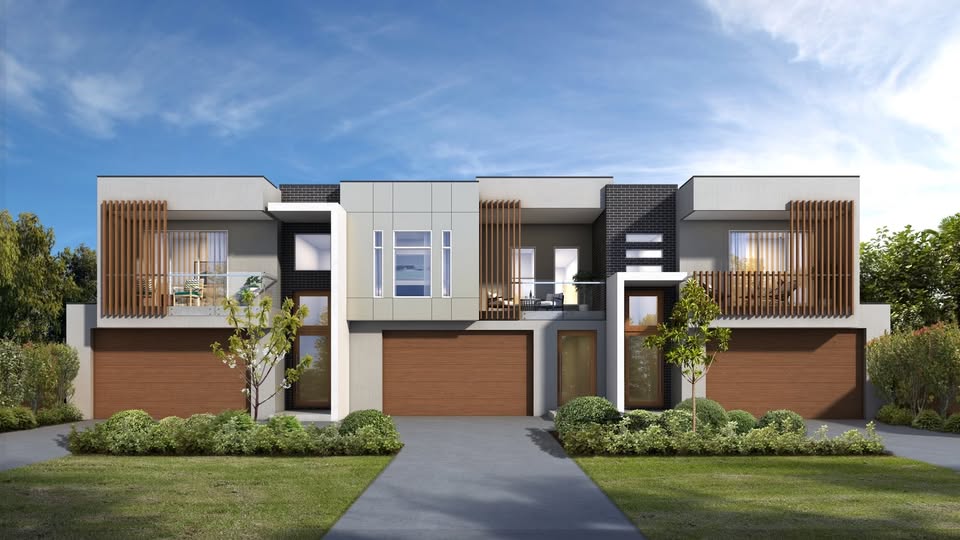
What to Expect from the In-House Design Process with Your Builder
At Iconic, our design process is collaborative from day one. Your brief, the specifics of your block, and your budget all come together in the same conversation. We do not create your dream home only to inform you of the costs later. We design what is feasible within your budget, refining it until it meets your expectations, pricing it throughout the process. By the time your plans are finalised, there are no unexpected expenses at the signing stage.
Do You Need to Choose Between a Draftsman and an Architect?
If you’re working with a builder that has a robust in-house design team, often the answer is no. The design capabilities are integrated into the process. If your site presents significant complexity—such as a steep slope, heritage restrictions, or an unusually shaped block—or if you desire something architecturally unique and budget is less of a concern, then an independent architect can be beneficial. For most custom homes on Brisbane and Redlands blocks, a competent in-house design process provides everything you need without the risk of budget misalignment.
Stage 5 — Complete All Necessary Reports Before Finalising Your Design
Before your design can be finalised and submitted for approval, several technical reports must be completed. These are not optional; they are mandatory.
- Soil Test. An engineer will drill into your block to evaluate the soil type, bearing capacity, and reactivity. This information is essential for determining your footing and slab design. Costs range from $1,500 to $3,000. Skipping this step is unwise; constructing on reactive clay without proper footings can lead to cracking.
- Contour and Feature Survey. A surveyor will map the precise levels, boundaries, trees, and existing features on your block. This data is crucial for your designer to create accurate plans, costing between $1,500 and $2,500.
- Energy Efficiency Report. As of May 2023, new homes in Queensland must achieve a minimum 7-star NatHERS energy rating. An energy assessor will model your design to confirm compliance and suggest necessary adjustments if it does not meet the standard, typically costing $1,000 to $2,000.
Additional reports may be necessary based on your site, such as a hydraulic report for stormwater management—which is almost always required in Brisbane—an arborist report if significant trees are involved, an acoustic assessment if you’re near a major road, or a bushfire risk assessment if your block falls within a mapped bushfire area.
A reputable builder will coordinate all these reports for you. You shouldn’t have to contact surveyors and engineers yourself; your builder should have a trusted network to manage the entire process.
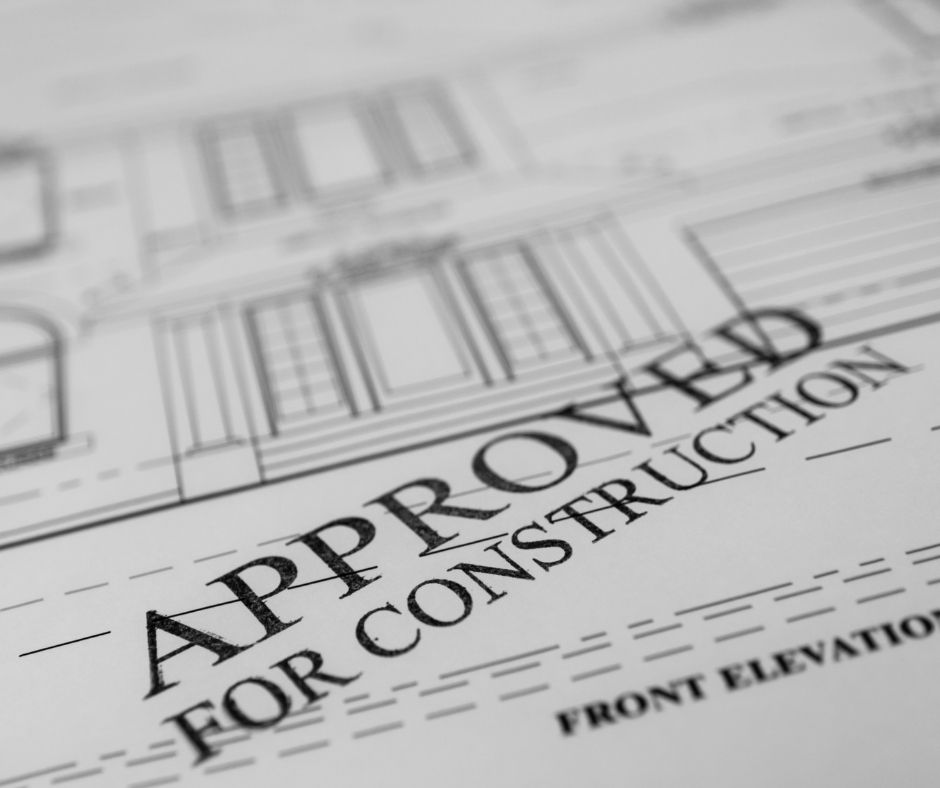
Stage 6 — Secure Building Approval to Move Forward
This stage introduces several roles that often lead to confusion.
- Building Certifier: This professional evaluates your plans against the Building Code of Australia and Queensland’s building regulations. If your plans comply, they will issue a building approval, which is your green light to commence construction. You can engage a private certifier—most people opt for this route for efficiency—or go through the council.
- Structural Engineer: They design the structural components, including footings, slabs, framing, roof structures, and retaining walls. Their calculations are submitted to the certifier as part of the approval process. Note that the engineer does not approve your build; rather, they design the essential components that support it.
- Building Inspector: This professional inspects the construction at mandatory stages, including the slab before pouring, framing before cladding, waterproofing before tiling, and a final inspection prior to your move-in.
In simple terms, the engineer designs the structure, the certifier approves the plans, and the inspector ensures the construction aligns with the approved plans. These are three distinct roles, often filled by different individuals. Your builder and certifier will coordinate who is responsible for what, so you won’t need to manage these details yourself.
Building approval generally takes 2 to 6 weeks through a private certifier, assuming your documentation is complete.
Stage 7 — Finalise Your Builder’s Contract for Your Project
If you’ve followed the advice from Stage 4 and engaged your builder early, you’ve already navigated past the most challenging aspects of this stage. The contract will formalise the agreements reached during the design process.
If you approach builders with completed plans, obtain at least three quotes. A fixed-price contract is standard for residential construction in Brisbane and is typically required by banks for construction loan drawdowns. Ensure that the contract clearly specifies what is included and, equally important, what is not.
Key aspects to review before signing include:
Are they licensed with the QBCC? Is home warranty insurance included? It’s mandatory in Queensland for residential work exceeding $3,300. What type of contract is being used—HIA or Master Builders contracts are common? What is the estimated build timeline? What allowances are provided for fixtures, tiling, and cabinetry? Low allowances may lead to additional expenses later. What is the process for handling variations?
Vital Considerations Regarding Variations in Your Contract
A variation refers to any change to the scope of work after the contract has been signed. This can include different tiles, layout adjustments, or upgrades chosen midway through the build. Builders price these variations at their discretion post-contract signing, which is one of the most common causes of budget overruns. It’s crucial to understand the variation process before signing. Inquire about the builder’s history regarding variations; a builder with a well-managed design-and-build process from the outset tends to have fewer variations, as decisions were made correctly from the beginning.
A competent builder will guide you through all these aspects. If they appear vague about costs, timelines, or inclusions, this should raise a red flag.
Stage 8 — Make Your Selections: Experience Iconic’s Unique Approach
The traditional industry method for selections can often be one of the most challenging aspects of building a home.
The typical builder process involves sitting you down in a showroom before your home is even built, providing a stack of catalogues and samples, and asking you to choose tiles, flooring, paint colours, cabinetry, tapware, and light fittings. You’re rushed through decisions regarding rooms you’ve never experienced, trying to visualise finishes in spaces that don’t yet exist.
Then, after eighteen months, your home is completed, and you find that your tastes have evolved. What seemed perfect in the showroom two years ago now feels outdated.
At Iconic, we do things differently, significantly enhancing the final feel of your home.
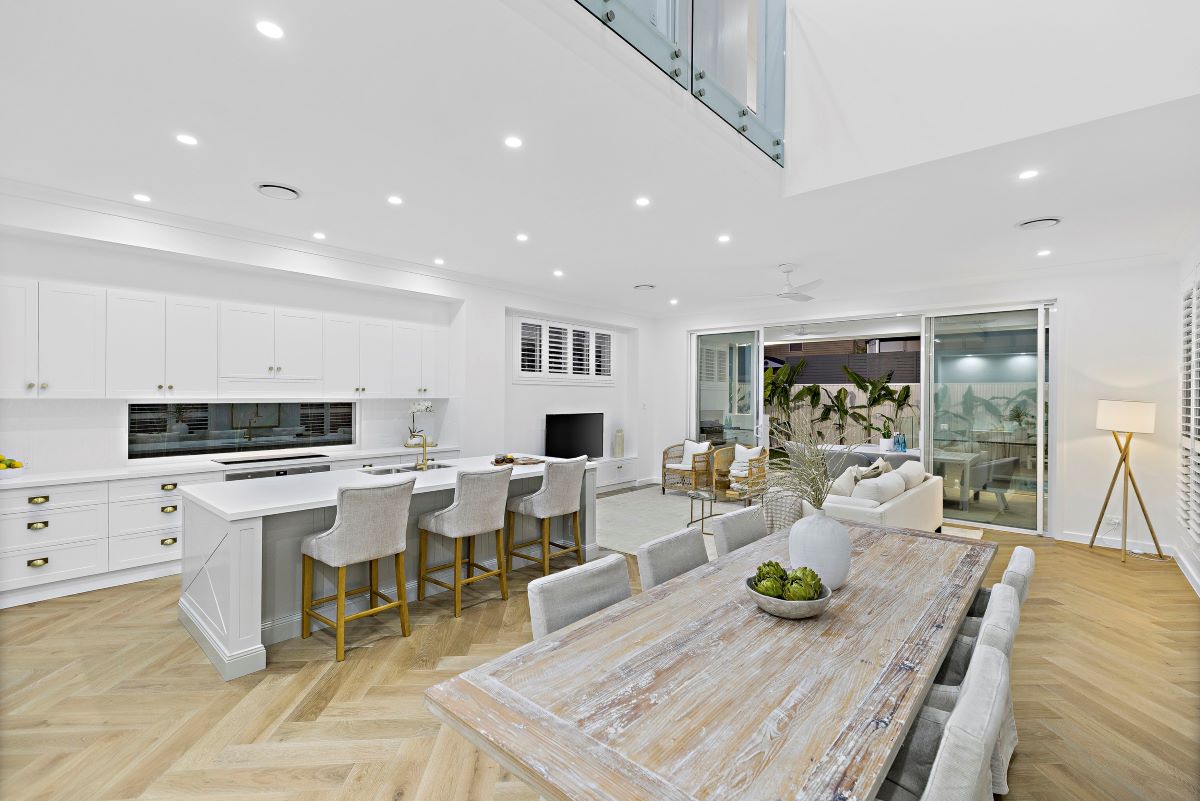
As each room is completed during construction, you step into it. You experience the actual natural light in that specific space, feel how the room functions, and perceive the proportions. Only then do you start selecting finishes, paint colours, window coverings, floor coverings, tiles, and feature lighting, right there in the room where they’ll be installed, with experienced guidance at your side.
This approach transforms what is typically a stressful guessing game into grounded decisions. You’re not imagining how a tile will appear; you’re standing in the room it is destined for.
An important point to remember, regardless of the process: the allowances for finishes in your contract are established at the time of signing. If you wish to upgrade beyond the standard allowance, you will need to pay the difference. Enter the build with a clear understanding of your spending priorities—where you want to invest and where you are comfortable with standard options—and if upgrades are important to you, ensure the allowances in your contract reflect that from the very beginning.
Stage 9 — Vital Pre-Construction Preparations
You’ve secured all necessary approvals, selected your builder, and signed the contract, but construction has not yet commenced.
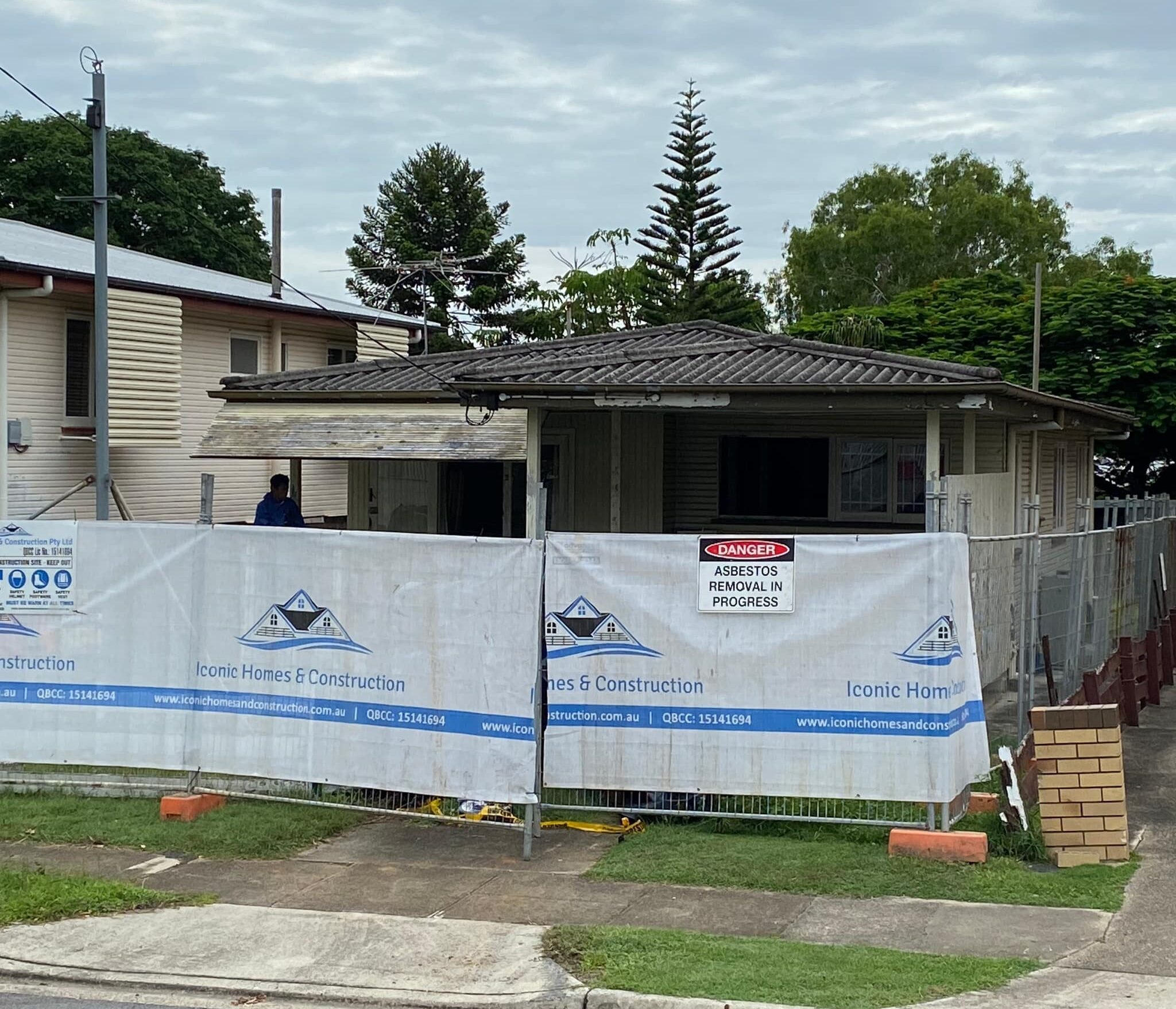
Before the building process begins, you will typically need to arrange for temporary fencing and site signage, coordinate service connections or disconnections if demolishing an existing structure, prepare a site-specific safety plan, notify the council that work is commencing, and implement any tree protection measures if significant trees are present on the block.
Your builder should manage all of these preparations. It’s important to understand that a gap of a couple of weeks between signing the contract and starting work is standard and not indicative of any issues.
Stage 10 — Navigate the Construction Phase of Your New Home
The construction process follows a predictable sequence, with mandatory inspections required before each stage can proceed.
- Site Preparation: This includes clearing, leveling, and establishing the building footprint.
- Footings and Slab: Trenches are excavated, reinforcement is laid, and concrete is poured. An inspection occurs prior to pouring.
- Frame: The timber or steel frame is erected, and roof trusses are installed. A frame inspection is required before cladding.
- Lockup: The roof, external cladding, windows, and external doors are installed, making the house weatherproof.
- Rough-in: Electrical wiring, plumbing pipes, and ducting for air conditioning are installed within the walls before they are lined.
- Internal Lining: Plasterboard is applied.
- Fix-out: This stage involves installing cabinetry, doors, skirting boards, architraves, tiling, painting, and fixtures. Iconic’s selection process also occurs here—room by room, as each space is completed.
- Practical Completion: At this stage, everything is finished, and a final clean-up and inspection are conducted.
How long does the build take? Typically, a standard single-storey home in Brisbane requires 6 to 9 months from slab to handover. Double-storey homes, custom designs, or complex sites might extend this period to between 9 to 14 months. Delays can occur due to weather, material supply issues, or subcontractor availability, so it’s wise to factor in a buffer.
Have a Question About the Building Process?
Stage 11 — The Handover Process and Moving into Your New Home
Your certifier will issue a final inspection certificate. Subsequently, you will conduct a handover inspection with your builder, walking through the house to identify any defects or unfinished items and agreeing on a timeline for their resolution.
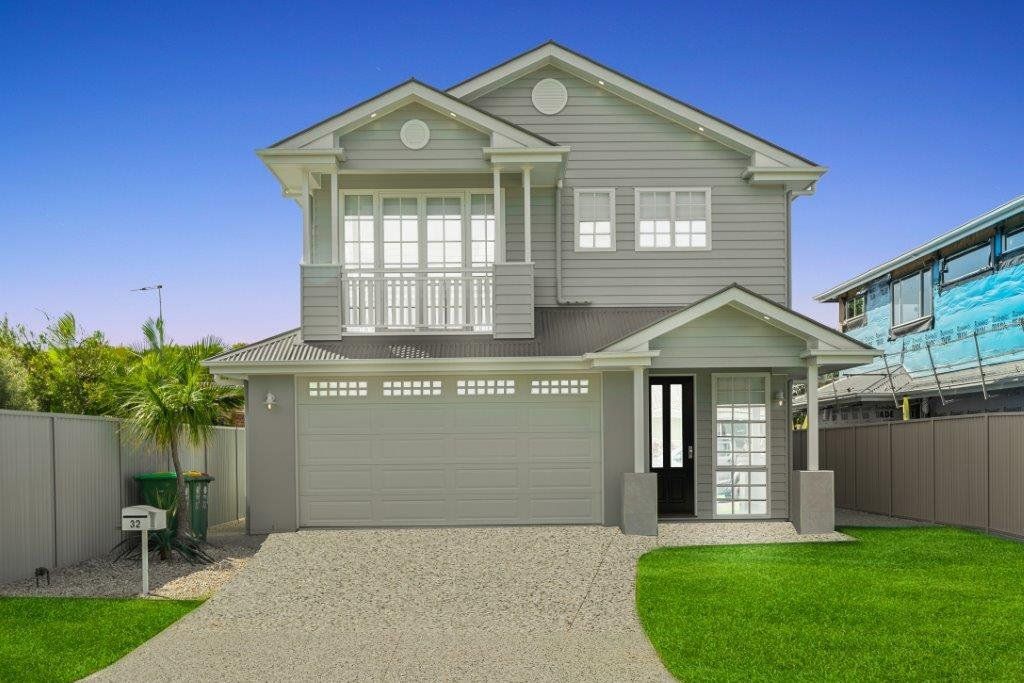
Once you settle on the construction loan, your bank will convert it into a standard mortgage, and you’ll receive the keys to your new home.
Don’t forget to arrange utility connections, update your address, and be aware that you have a defects liability period under your contract, typically lasting 6 to 12 months. If any construction defects arise, your builder is obligated to rectify them.
Original Article First Published At: Building a New Home in Brisbane? Here’s the Order to Do Everything In
The Article: Building a New Home in Brisbane: Essential Steps to Follow first appeared on https://writebuff.com
The Article Essential Steps for Building a New Home in Brisbane Was Found On https://limitsofstrategy.com