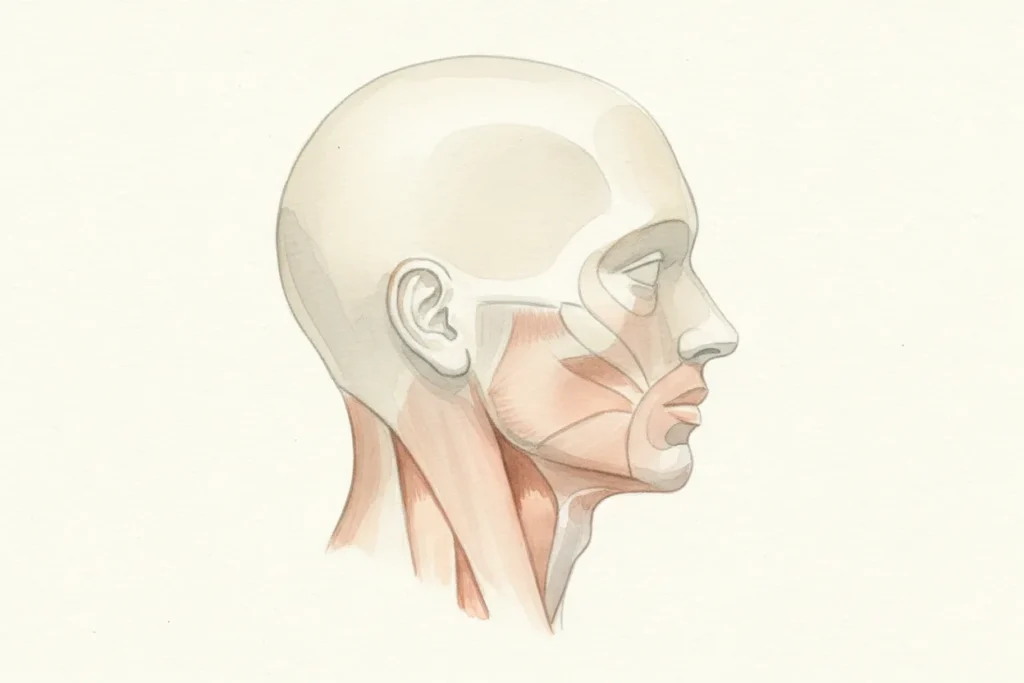
If you’re considering chin filler, you probably have one of two primary concerns. Your chin might look too recessed from the side, or you may notice dimpling and creasing of the skin on your chin when you talk, smile, or tighten your lips. In photos, these issues can appear similar; however, they are fundamentally different and require tailored treatment strategies.
This comprehensive guide will assist you in pinpointing which issue you are facing, clarify how chin filler works, outline the benefits of Botox, and help you understand when both treatments could be relevant.
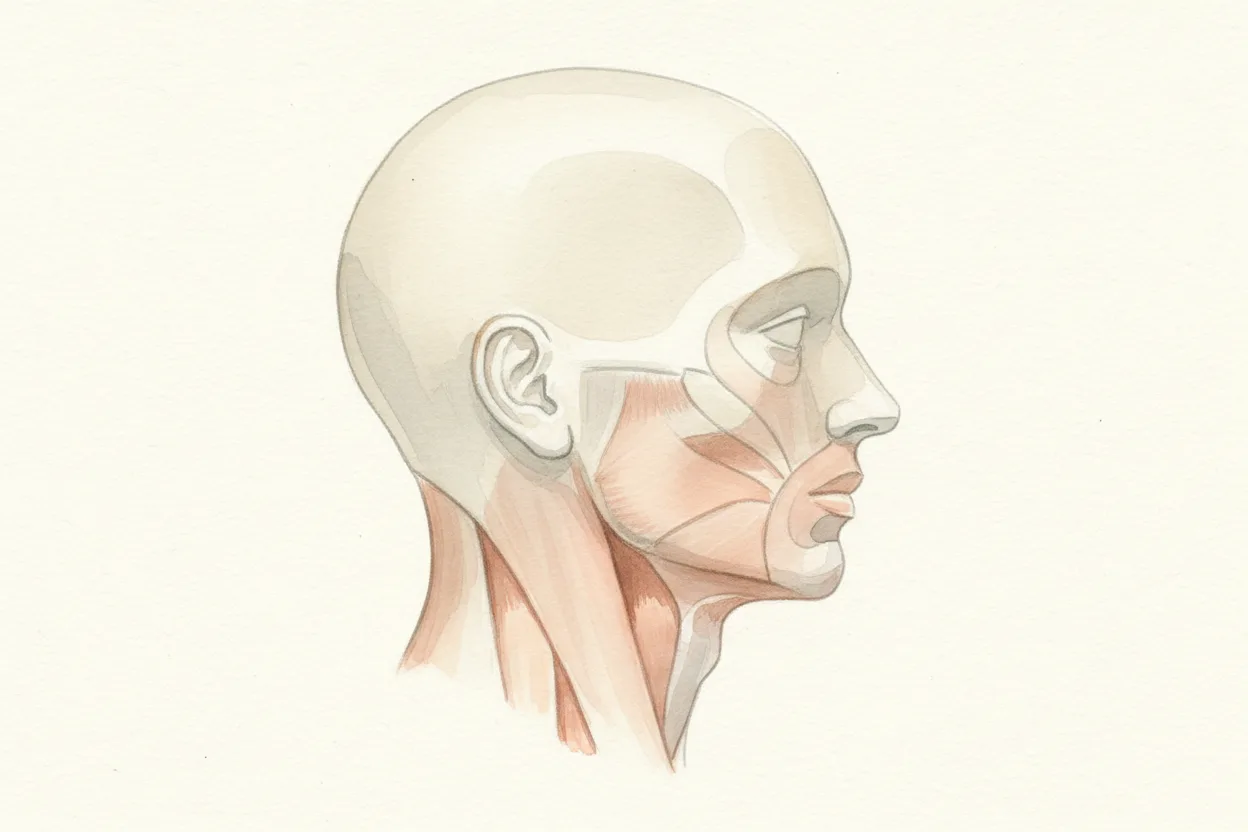
Understanding Chin Concerns: Shape Versus Muscle Dynamics
Chin-related issues generally fall into two categories: shape and muscle dynamics. Chin filler effectively addresses issues related to shape, while Botox is designed to manage muscle activity. Recognising which category your concern belongs to is vital before your consultation.
- Shape: This pertains to a chin that may look short, is positioned further back from profile view, or merges into the jawline and neck. Such concerns involve volume and structure, remaining apparent even when your face is relaxed.
- Muscle Movement: This issue presents as small dimples forming on the chin when the mentalis muscle contracts. Often described as having an “orange peel” or “pebbled” appearance, it becomes most noticeable when you talk, pout, or press your lips together.
Performing a simple self-assessment in front of a mirror can provide useful insights. Examine your chin from the side while keeping your face relaxed, then push your lower lip upwards as if pouting. If your chin looks recessed even when at rest, this indicates a shape issue. If it only appears uneven during movement, this suggests muscle activity. Many people experience a blend of both concerns. This method acts as a guideline rather than a definitive diagnosis; an in-person consultation will yield more accurate insights.
Enhancing Chin Structure with Chin Filler
Chin filler is used to add volume, projecting the chin forward and creating a more defined profile. The U.S. Food and Drug Administration (FDA) has approved chin augmentation with dermal fillers for adults aged 22 and older.
Certain products have received specific approvals. For example, in January 2021, the FDA approved Restylane Defyne for injection in the chin area, aimed at enhancing the chin profile of individuals over 21. The FDA describes this gel as temporarily increasing volume and fullness.
It’s important to remember that results are not permanent. The FDA notes that some fillers are gradually absorbed by the body, necessitating repeat treatments to maintain the desired results. The American Society of Plastic Surgeons indicates that deep injections may last up to 12 months, while some newer products can last as long as two years. Hyaluronic acid fillers are reversible, as an enzyme can be injected to dissolve them if necessary.
Be aware of potential side effects. The FDA lists several common side effects associated with Restylane Defyne in the chin area, which may include bruising, itching, lumps or bumps, pain or tenderness, redness, and swelling. The most significant risk associated with any filler treatment is the possibility of accidental injection into a blood vessel, which can lead to severe complications such as tissue death, vision problems, including blindness, and stroke. Selecting a licensed healthcare provider with experience in administering fillers is essential.
It’s crucial to understand that filler cannot stop muscle movement; it is focused solely on enhancing shape. If dimpling occurs on your chin due to overactive muscle activity, filler alone may not effectively smooth that out.
Utilising Botox to Smooth Out Dimpling on the Chin
Botox operates by relaxing the chin muscle, diminishing its pull on the skin and helping to soften the appearance of dimpling. It functions as a neuromuscular blocking agent, inhibiting the signals that cause muscle contraction, thereby minimising skin bunching.
Research supports the effectiveness of this treatment. A double-blinded, placebo-controlled study conducted by Beer and colleagues and published in the Journal of Drugs in Dermatology in 2005 involved injecting Botox into one side of the chin and saline into the other among 20 participants. Both physicians and patients noted a visible difference on the Botox-treated side, both at rest and during muscle contraction. While this study has limitations, it provides valuable support for the efficacy of Botox in this context.
Understand the implications of the labelling. The Botox Cosmetic prescribing information from AbbVie includes four approved treatment areas: frown lines between the brows, crow’s feet, forehead lines, and platysma bands in the neck. Treatment of the chin falls outside these approved indications, categorising it as an off-label use. Your injector should thoroughly explain this status before proceeding with treatment.
A boxed warning in the prescribing information indicates that the effects of botulinum toxin can extend beyond the injection site. If you experience difficulties swallowing, speaking, or breathing following any Botox treatment, seek medical attention immediately.
Similar to Botox administered in other facial areas, the results are temporary and will necessitate repeat treatments. The duration of effectiveness varies based on the treated area, dosage, and individual response, which we will discuss further in our section on the longevity of Botox effects.
When Should You Consider Both Chin Filler and Botox?
Both treatments are necessary when your chin appears recessed at rest and also develops dimples during movement. In this case, filler provides the required shape, while Botox relaxes the muscle responsible for the rough texture.
Many individuals may find that only one of the two treatments is sufficient. If your profile looks satisfactory and the only issue is dimpling when you speak, Botox alone may effectively resolve the concern. Conversely, if your chin appears smooth during movement but looks short or weak from the side, filler might be the ideal solution.
The order of treatments and whether both can be performed simultaneously will be determined during your consultation. This decision will depend on the appearance of your chin at rest and in motion, as well as how your skin and muscles respond. Ask your injector to clarify the recommended sequence and provide justification for their approach.

Investigating Alternatives to Chin Filler
The most suitable alternative to chin filler will depend on the specific concern you are addressing. In certain cases, a different treatment may be more appropriate, while in other instances, forgoing treatment altogether might be the best choice.
- For dimpling concerns only: Botox for the chin muscle, as previously discussed, can alleviate the issue without adding volume.
- For fullness beneath the chin: This concern relates to excess fat rather than shape. Kybella is an FDA-approved injectable specifically for moderate to severe fat accumulation beneath the chin in adults. Its prescribing information states that up to six treatments, spaced at least one month apart, may be administered, but its effectiveness on fat outside this area has not been established.
- For permanent changes: According to the American Society of Plastic Surgeons, chin surgery involves reshaping the chin with either implants or through bone reduction. Such decisions should be made in consultation with a board-certified plastic surgeon.
- For minor adjustments: Sometimes, it may be best to leave your chin as it is. A thorough consultation should allow for the possibility of concluding with a “not yet” response.
Navigating Your Chin Filler and Botox Consultation: A Step-by-Step Guide
An effective chin consultation begins by addressing the concern rather than focusing on treatment options. Here’s a structured approach to ensure clarity.
- Start with photographs: Capture front and side images while your face is relaxed and again when you pout or press your lips together.
- Identify the issue: Determine whether the concern relates to shape, movement, fullness under the chin, or a combination of factors.
- Select the appropriate treatment: Use filler for shape concerns, Botox for movement issues, and Kybella for fullness beneath the chin.
- Inquire about the product: Confirm which filler will be utilised, whether it’s a hyaluronic acid filler that can be dissolved, and what the FDA has approved it for.
- Discuss Botox for the chin: Understand that this is an off-label use, the planned dosage, and when you will be reassessed.
- Provide your health history: Disclose medications, allergies, and any past reactions. As indicated on ZenVita’s dermal fillers page, clients who are pregnant or nursing are ineligible for filler treatments.
- Schedule a follow-up: Plan a review appointment to assess results prior to undertaking any additional treatments.
Your Questions Answered: Common Queries About Chin Filler and Botox
Is there discomfort associated with chin filler procedures?
Some discomfort is normal. Restylane Defyne, which is FDA approved for chin use, contains lidocaine, a numbing agent, making a lidocaine allergy a contraindication. Post-treatment pain or tenderness is among the common side effects, along with bruising and swelling. Inform your injector if you have had previous reactions to numbing medications.
What is the expected duration of results from chin filler?
The duration of results varies based on the product used and individual factors. The American Society of Plastic Surgeons states that deep filler injections may last up to 12 months, with some newer products lasting up to two years. The FDA advises that some fillers may be absorbed over time, necessitating repeat treatments to maintain your desired shape.
Is Botox approved for use in the chin area?
No. The Botox Cosmetic label specifies approved treatment areas, including frown lines, crow’s feet, forehead lines, and platysma bands in the neck. The application of Botox in the chin muscle is classified as off-label. A small placebo-controlled study published in the Journal of Drugs in Dermatology noted observable differences on the treated side. Your injector should clarify the off-label status prior to treatment.
Can chin filler be reversed if desired?
Yes, hyaluronic acid fillers can be reversed. The American Society of Plastic Surgeons explains that an enzyme can be injected to dissolve these fillers. This is an important consideration when selecting your filler, as a reversible option provides a safety net that permanent solutions do not offer.
What alternatives exist to chin filler treatments?
The appropriate alternative depends on the specific issue being addressed. Dimples during movement may only necessitate Botox for the chin muscle. Fullness beneath the chin relates to fat, which can be treated with Kybella. For a permanent change in shape, surgical options should be discussed with a qualified plastic surgeon. If the desired modification is minor, opting to leave your chin as it is can be a perfectly acceptable decision.
Schedule Your Chin Consultation in Aurora Today
If you’re unsure whether your chin requires filler, Botox, both, or neither, a consultation is the perfect opportunity to gain clarity. At ZenVita Medspa Aesthetics and Wellness in Aurora, our nurse practitioner-led team will assess your chin in both resting and active states, discuss which treatment aligns best with your concerns, and guide you through a personalised plan before any procedures are undertaken. Read more about our offerings in dermal fillers and Botox at ZenVita, and book your consultation here.
Original Article First Published At: Chin Filler and Botox: Which One Does Which Job
The Article: Chin Filler Vs Botox: Understanding Their Unique Benefits first appeared on https://writebuff.com
The post Chin Filler Benefits Compared to Botox: Key Insights appeared first on Limits Of Strategy.