If you hear scratching noises emanating from below your kitchen floor during the night, it’s probable that the rodents aren’t actually residing in the kitchen itself. In older homes elevated on stumps with timber flooring and a void beneath, this space often serves as a haven for rats.
The sounds travel through the floorboards while the rats stay hidden below. This article will clarify what is happening under your home, the signs to be aware of, and effective methods for rodent removal.
Which Rodent Species Typically Nest Under Stump-Built Homes?
Rats are primarily responsible for the disturbances, although mice can also be present. The dark, dry, and sheltered environment beneath a raised timber floor makes it an ideal nesting location for these rodents. The City of Casey notes that rats and mice are drawn to warmth, shelter, food, and water.
As highlighted by Boroondara Council, the presence of burrows beneath buildings is a significant indicator of rodent activity on a property. Rats and mice typically travel along walls, using established pathways to access food sources. The bearers and joists—timber beams that support the flooring—offer edges for rodents to navigate similarly.
The species of rat you are dealing with can determine their entry points. As outlined on our rodent control page, Norway rats generally enter at ground level, while roof rats are adept climbers. The Victorian Department of Health categorises Norway rats as proficient diggers, primarily active at night, making the soil beneath a raised floor particularly suitable for them.
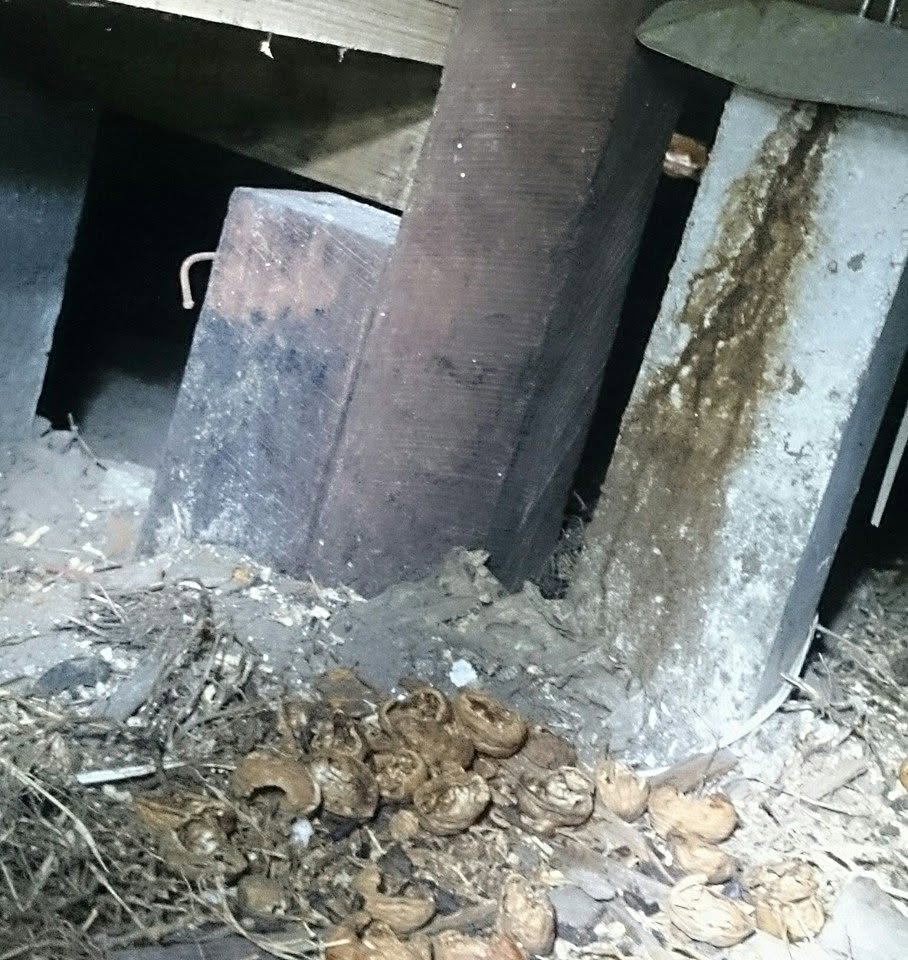
What Indicators Suggest Rodents Beneath Your Home from Inside?
Most individuals first notice rodent activity beneath their homes from the inside. Here are crucial signs to look for:
- Scratching Noises: Boroondara Council highlights that sounds such as scratching, squeaking, clawing, and gnawing are clear indicators of rodent activity. These noises are often heard through the floorboards, especially at night.
- Droppings Along Skirting Boards: The Department of Health describes Norway rat droppings as resembling bananas or sausages. Finding these droppings along skirting boards or beneath the sink suggests that rats are moving up from below.
- Unusual Behaviour from Pets: The City of Casey notes that pets exhibiting heightened excitement may indicate rodent activity. If a dog is intensely sniffing a specific spot on the floor or a cat is focused on a floor vent, take note.
- Empty Pet Food Bowls: Casey also indicates that a pet food bowl appearing significantly emptier in the morning might suggest a nocturnal visitor.
- Holes at the Base of Walls: The Department of Health advises that holes created by rats typically measure around 80 mm across and may indicate the presence of nests. Inspect the base of external walls and around pipes where they enter the floor.
Not every sound beneath the floor is caused by rats. Possums and birds can also find their way under a house, and droppings can quickly help identify the source. If you are uncertain whether you are dealing with rats or mice, our article on five distinguishing signs will assist, or you can send us a photo of the droppings when you get in touch.
How Does Winter Affect Rat Activity Beneath Homes?
As temperatures decrease, rats seek warmer shelter, as noted on our rodent control page. Our mice control page highlights that mice typically migrate indoors as Melbourne’s weather cools. The space under the house often becomes the first warm and dry refuge they encounter.
This area is protected from wind and rain and is located directly beneath the rooms where people cook, eat, and stay warm. At night, it remains quiet, making it an ideal winter sanctuary for rats.
If your home has ducted heating running beneath the floor, this creates an additional warm pathway for rodents. Our article on ducted heating and winter rodent activity offers insights on what to look for around the vents.
Why Kitchen Repairs Alone Fail to Solve Rat Problems Under Your Floor
Many homeowners begin their pest control efforts in the kitchen. They may set traps under the sink, seal gaps behind the dishwasher, and tidy the pantry. While these actions are beneficial, they often do not address the core issue of rats nesting beneath the floor.
The entry points that rats use are typically located below the floor line. Pipes and cables rise from beneath the house through the floor, creating gaps that serve as entryways. Boroondara Council recommends sealing gaps and holes around pipework, emphasising that mice can enter through openings smaller than those required for rats. The Department of Health indicates that mice can squeeze through gaps as small as 8 mm.
If the rats are nesting under the house, that is where your treatment must be directed.
Sealing gaps too soon can be counterproductive. As mentioned on our rodent control page, baits should be deployed first to reduce the population, followed by sealing efforts. Closing off entry points while rodents are still inside can trap them.
What to Inspect for Signs of Rats Under the House from the Outside
You do not need to crawl beneath your home to search for signs of rats. Most relevant indicators can be observed from your garden. Walk around the exterior and look for the following:
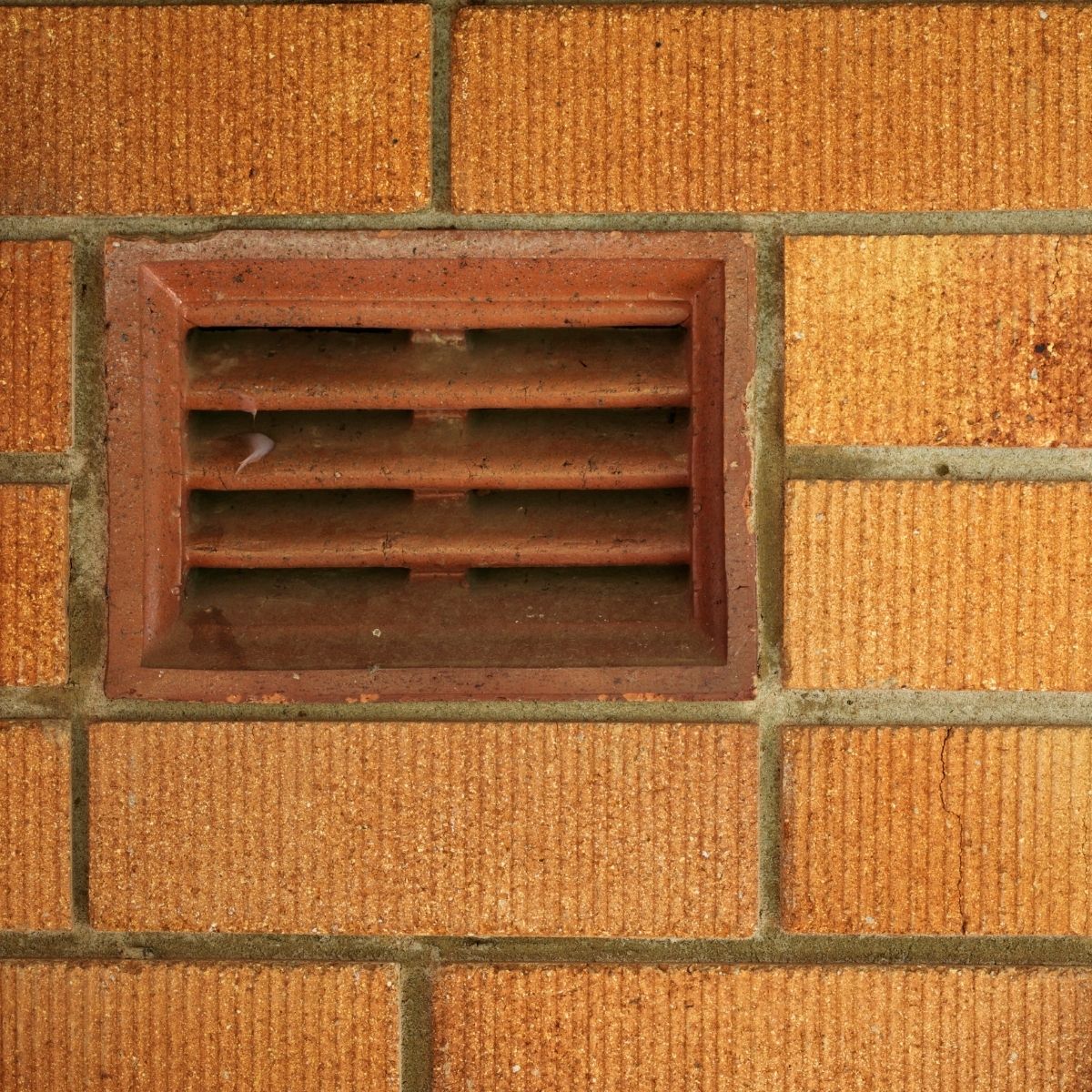
- Subfloor Vents: These vents, located at the base of the walls, allow air to circulate beneath the floor. Check for vent covers that are broken, pushed in, or missing.
- Gaps at the Base of Walls: Look for holes, loose or decayed boards, and gaps where the wall meets the ground.
- Pipes and Cables: Inspect where these enter the house, particularly in areas where recent work has been performed by tradespeople.
- Burrows and Runs: The City of Casey identifies burrowing holes around buildings and pathways along fence lines as signs of rodent activity.
- Food and Shelter in the Garden: The Department of Health recommends eliminating clutter, excess vegetation, food scraps, and potential nesting sites. Woodpiles against the house, fallen fruit, and open compost heaps all offer ample reasons for rats to remain nearby.
Ensure that subfloor vents stay open; the last question below elaborates on why this is essential.
For more guidance on how to rodent-proof your home, refer to our earlier article on the subject.
Effective Approaches for Eliminating Rats from Under Your Home
When you reach out to us, please describe what you are hearing and the location, along with any findings such as droppings or gnaw marks. This information aids us in preparing for our visit.
Our treatment focuses on the areas where the rats are nesting, as the subfloor is included in our rodent control service. We employ a variety of professional baits and adhere to the latest industry regulations. Each bait is placed in a locked box to ensure the safety of pets and wildlife.
Multiple treatments may be necessary to effectively eliminate the rodent population.
During our visit, we will seal any accessible gaps. If your home requires extensive work, such as structural repairs, we will recommend a qualified tradesperson to address those issues. You can view the costs associated with rodent treatments on our pest control prices page.
Rats Under the House: Frequently Asked Questions
Can Rats Enter the House from Below the Floor?
Yes, rats can gain entry from below. Pipes and cables rise through the floor, and the gaps surrounding them provide easy access. Old floorboards and areas around floor vents can also serve as entry points. Mice require minimal space; as noted by the Victorian Department of Health, they can squeeze through openings as small as 8 mm. If you are finding droppings inside, they likely originate from below.
Is It Necessary to Crawl Under the House to Check for Rats?
No, you can gather significant information by inspecting the exterior of the house. Examine the subfloor vents, the base of the walls, and the locations where pipes and cables enter the home, as well as the ground along the fence line for burrows and runs. Inside, look for droppings along skirting boards and listen for scratching sounds at night. When you schedule a rodent treatment with us, our service includes the subfloor area.
Will Rats Under the House Leave on Their Own?
It is unlikely. As stated on our rodent control page, rats do not resolve their issues independently, and the longer they remain, the more they reproduce, making eradication increasingly challenging. The Victorian Department of Health reports that a female Norway rat can produce five or six litters annually, with her young capable of breeding at just three to four months old. Waiting for a quiet period may lead to a larger rat population, not a decrease.
Should I Block the Subfloor Vents to Prevent Rat Access?
No, blocking the vents is not advisable. These vents facilitate air circulation beneath the floor, and the Australian Building Codes Board explains that a damp subfloor can lead to timber rot and fungal growth. Keep the vents open. If a vent cover is damaged, displaced, or missing, replace it to ensure it functions correctly and limits rodent access.
Schedule Your Rodent Control for Rats Under Your Home
If you are hearing scratching noises beneath the floor, it is wise to arrange for treatment promptly, as rats breed quickly, and early intervention is more effective. Let us know what you are hearing and your suburb, and we will guide you through the rodent treatment process for your home.
Contact us at 1300 737 821 or book your rodent treatment online.
Original Article First Published At: Rats Under the House: Why Older Melbourne Homes on Stumps Hide the Real Problem
The Article: Rats Under the House: The Hidden Issue in Melbourne’s Stump Homes first appeared on https://writebuff.com
The post Rats Under the House: Uncovering Melbourne’s Stump Home Problem appeared first on Limits Of Strategy.
References:
Rats Under the House: Uncovering Melbourne’s Stump Home Problem